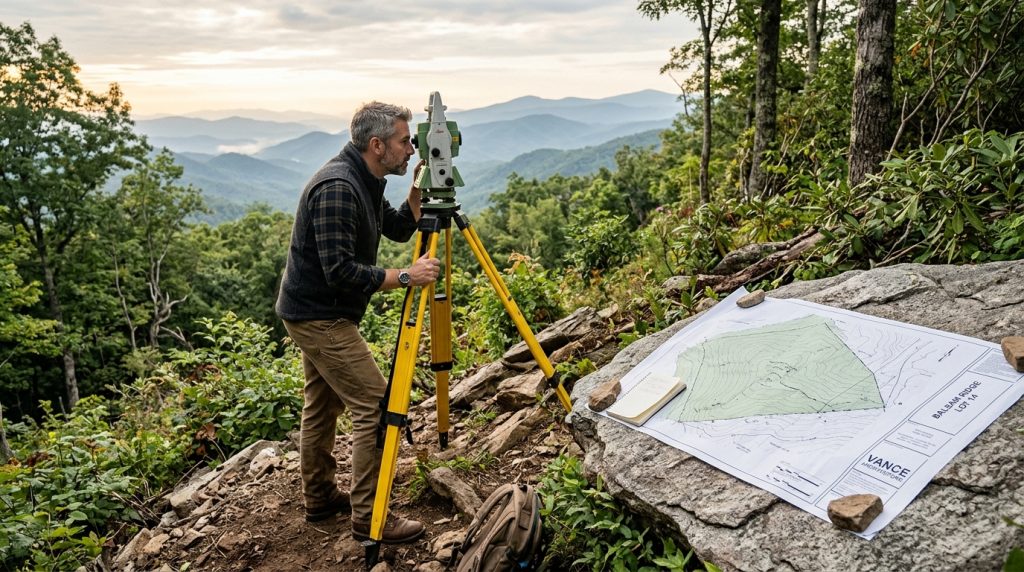
Most people expect a custom home to start with drawings. They imagine the first meeting producing floor plans and elevations, and they are surprised to learn that we do not begin there. Before any line is drawn, there is a stage that shapes everything that follows, and it is the part of the process that most separates a home that fits its owner and its land from one that does not. That stage is the discovery phase, and it is where the real work of a custom home begins.
The discovery phase is the period before design, when we learn the land, the people, and the project well enough to design a home that truly answers them. It is not a formality, and it is not a sales meeting. It is the foundation that the entire home is built on. This article explains what happens during the discovery phase with a custom home builder, and why we treat it as the most important part of the process.
Why the Discovery Phase Comes Before Design
A home designed without knowing the land and the people is a guess, and a guess is an expensive thing to build. The reason the discovery phase begins before any design work is that the design should answer real facts rather than assumptions. The land has a slope, a direction the best views face, a way the sun moves across it, and a place where a home most naturally belongs. The people who will live in the home have a way they want to live, a set of things that matter to them, and a budget that has to be respected. All of this belongs in the design from the start, and the only way to put it there is to learn it first.
When this stage is skipped or rushed, the problems appear later, when they are expensive to fix. A design that ignored the slope has to be reworked once the site fights it. A plan that never accounted for how the family lives produces rooms that do not suit them. This stage exists to catch all of this on paper, before a single decision becomes concrete.
What We Learn About the Land
The first part of this work is reading the land, because the land shapes what the home can be. We study the slope and the grade to understand where a home can sit and how it should meet the ground. We look at how water moves across the site, because drainage decides where a home can safely go and how it has to be built. We track the sun and the views, so the home can be oriented to capture the light and the setting that make the property worth owning.
On rural and mountain land, this part of the process also covers the infrastructure that a home will need. We assess the access, the soil for a septic system, and the water supply, because these decide much of what a build will cost and where the home can sit. Reading all of this first means the home is designed around a site we actually understand, rather than one we hope will cooperate.
What We Learn About the People
A custom home is built for specific people, and this stage is where we learn who they are and how they want to live. We talk through the way the household actually spends its days, the spaces that matter most to them, and the things they want the home to do. A family that cooks and gathers constantly needs a different home from one that entertains formally, and the only way to design for the right one is to learn which it is.
This part of the process also covers the practical foundations of the project. We talk honestly about the budget, the timeline, and the priorities, so that the design that follows is grounded in what is real rather than in a wish. A home designed around a clear picture of the people and their means is a home that can actually be built, which is the entire point.
How Discovery Shapes the Whole Project
This early work does more than inform the design. It sets the course for the entire project. Because we read the land and learn the people before we design, the home that emerges answers both, and the surprises that derail other projects are found early, on paper, where they cost little to address. A condition in the soil, a limit on the buildable area, or a gap between the budget and the vision is far better discovered now than during construction.
This is why the early groundwork is worth the time it takes. A condition uncovered now costs a conversation to address, while the same condition uncovered during construction costs a change order and a delay. Reading the land and learning the people first is the least expensive insurance a project can have, because it moves the hardest questions to the point where they are still easy to answer.
What the Discovery Phase Produces
By the end of this stage, we have far more than a set of notes. We have a clear picture of the land, a real sense of how the people want to live, and an honest grasp of the budget and the timeline. Those things together become the brief that the design answers, and because the brief is grounded in real facts rather than assumptions, the design that follows fits the site and the household from the first draft.
This is also where the direction of the home takes shape. The best place for the home to sit, the rooms that should face the views, the way the house should meet the slope, and the priorities that matter most to the family all become clear during this stage. The design does not invent these decisions later. It carries them forward from what we learned at the start, which is why a home that began with real discovery feels considered in a way that a home drawn from a stock plan never does.
Why We Do Not Rush This Stage
There is often pressure to move quickly to drawings, because drawings feel like progress in a way that reading a site and talking through a life does not. We resist that pressure on purpose. A home designed before the groundwork is done costs far more later, when the assumptions it was built on turn out to be wrong. The time spent learning the land and the people up front is the time that keeps the project from stalling once the work begins.
This is also why we take a limited number of projects each year. The early groundwork takes real time and attention, and neither can be spread across too many projects at once. By keeping our numbers low, we give each home the depth of preparation it requires, and a private consultation comes before we schedule anything.
Frequently Asked Questions
What Is the Discovery Phase in Building a Custom Home?
The discovery phase is the stage before design, when the builder learns the land, the people, and the project well enough to design a home that answers them. It involves reading the site, discussing how the household wants to live, and grounding the project in a real budget and timeline. It is the foundation the entire home is built on, and it comes before any drawings.
Why Does the Discovery Phase Come Before the Design?
Because the design should answer real facts rather than assumptions. The slope, the views, the way the sun moves, and the way the family lives all belong in the design from the start, and they can only guide it if they are known first. Reading the land and learning the people before designing is what lets the home fit both, and it catches problems on paper before they become expensive.
How Long Does the Discovery Phase Take?
It depends on the land and the project, because a straightforward site takes less time to read than a difficult one. What matters is that the phase is given the time it needs rather than rushed, since the depth of the discovery shapes the quality of everything that follows. A builder who moves to drawings before reading the land is working in the wrong order.
Starting a Home the Right Way
This early stage is where a custom home is truly decided, long before the drawings appear. By reading the land and learning the people first, we design a home that belongs to its site and suits the lives inside it, and we find the surprises early, when they are still easy to address. It is the least visible part of the process and the most important.
If you are planning a custom home in Western North Carolina, reach out to Black Rabbit Construction for a private consultation. Tell us about your land and your plans, and we will walk through what the discovery phase would involve for your project and how it would shape the home you build.