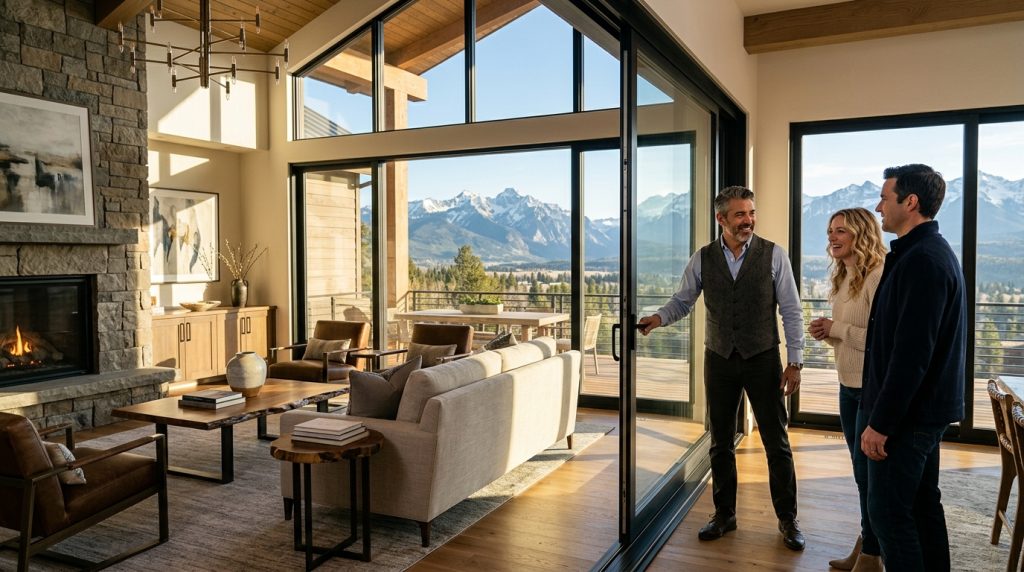
The final walkthrough is the last step between a finished home and the day you move into it, and it carries more weight than most people give it. This is the moment to look at the home carefully, with fresh eyes and a clear list, before the keys change hands and the boxes arrive. A good walkthrough catches the small things while they are still easy to address, and it gives you the confidence that the home is truly ready.
A walkthrough works best when it is organized rather than improvised. Walking through a finished custom home without a plan means missing details that a checklist would catch. This article lays out what to look at during the final walkthrough, so that you arrive on move-in day with a home that is complete and sound.
Why the Final Walkthrough Matters
The walkthrough is your chance to review the finished home while there is still time and room to address anything that needs attention. Once you have moved in, small corrections become harder to schedule and easier to live with rather than fix. Catching them during the walkthrough keeps them from becoming the minor frustrations you notice every day for years.
A thorough walkthrough also marks a clear handoff. It is the point where the builder confirms the home is complete and the owner confirms they are satisfied, and doing it carefully protects both. With a well-run builder, the walkthrough is a confirmation rather than a hunt for problems, because the quality was managed throughout the build. Still, the walkthrough is the moment to look closely, and a checklist is how you look closely without missing anything.
What to Check on the Walkthrough
A good walkthrough moves through the home in an organized way, covering the systems, the surfaces, and the details in turn. The items below are the ones worth checking carefully.
The Systems
Start with the systems that make the home work, because these matter most and are the easiest to overlook when the finishes are catching your eye. Confirm that the heating and cooling run properly in each zone and hold a comfortable temperature. Test the water in every fixture for pressure and for hot and cold, and check that drains run freely. Verify that the electrical works throughout, including the outlets, the switches, and the lighting in every room. Confirm that any smart-home systems, security, and appliances operate as they should.
The Surfaces & Finishes
Move next to the surfaces, looking closely at the walls, the floors, the ceilings, and the trim. Check the paint for even coverage and clean lines, the flooring for a sound and level finish, and the tile and stone for clean grout and proper seals. Look at the cabinetry and the countertops for a quality finish and correct installation. These are the details that a fresh, careful look catches and that a quick glance misses.
The Doors, Windows, & Hardware
Work through every door and window in the home, opening and closing each one to confirm it operates smoothly, seals properly, and locks as it should. Check the hardware throughout, from the handles to the hinges, for a solid fit and a quality feel. Windows and doors are used constantly, so any that stick or fail to seal are worth addressing before you move in rather than after.
The Exterior & the Site
Finish outside, walking the exterior of the home and the site around it. Look at the siding, the roof, and the trim from the ground for a sound and finished appearance. Check the grading and the drainage to confirm that water is directed away from the home. Walk the driveway, the walkways, and any outdoor spaces to confirm they are complete and sound. On a custom home, the site is part of the project, and the walkthrough should cover it as carefully as the house.
How the Walkthrough Should Go
A walkthrough should be unhurried, and it should happen with someone from the builder present who can note anything you raise and confirm how it will be handled. Bring your list, take your time, and look at the home the way you will actually use it. Anything you find should be recorded clearly, with a plan and a timeline for addressing it, so that the handoff is clean and nothing is left to memory.
With a builder who managed quality throughout the build, the walkthrough tends to be smooth, because the home was held to a standard at every stage rather than only at the end. We take a limited number of projects each year so that each home receives that attention throughout, and a private consultation comes before we schedule anything, so the relationship and the standard are set from the start.
Bringing the Right Approach to the Walkthrough
The final walkthrough goes best when you approach it with the right mindset. It is not a confrontation, and with a good builder it is not a search for failures. It is a careful review of a finished home, and the goal is a shared and honest picture of where the home stands before the handoff. Coming to it prepared, with a checklist and enough time set aside, is what turns it from a quick tour into a genuine review.
It helps to walk the home the way you will actually live in it rather than the way you would inspect it. Open the doors you will open every day, stand in the rooms where you will spend your time, and picture the ordinary use of the house. A home reveals its rough edges under real use more than under a formal inspection, and imagining that use is how you notice the things that a checklist alone might not prompt. Take notes as you go, because a detail noticed and not written down is a detail easily forgotten by the time the walkthrough is over.
Frequently Asked Questions
What Should I Look for During a Final Walkthrough?
Move through the home in an organized way, checking the systems first, then the surfaces and finishes, then the doors, windows, and hardware, and finally the exterior and the site. Confirm that everything works, that the finishes are sound, and that the home is complete. A checklist keeps you from missing details that a quick look would pass over.
When Should the Final Walkthrough Happen?
The final walkthrough should happen after the home is complete and before you move in, while there is still time and room to address anything that needs attention. Doing it before move-in day keeps small corrections easy to schedule, rather than leaving them to be lived with once the home is full.
What Happens if I Find Something During the Walkthrough?
Anything you find should be recorded clearly, with a plan and a timeline for how it will be addressed. With someone from the builder present, each item can be noted and confirmed on the spot. A clean walkthrough ends with a shared list and a clear path for handling anything on it, so nothing is left to memory.
Moving in With Confidence
The final walkthrough is the last and one of the most valuable steps in building a home. Approached with a clear checklist and an unhurried eye, it catches the small things while they are easy to address and gives you the confidence that the home is truly ready. Covering the systems, the finishes, the openings, and the site in turn is how you make sure nothing is missed.
If you are planning a custom home in Western North Carolina and want a build managed to a standard that makes the final walkthrough a simple confirmation, reach out to Black Rabbit Construction for a private consultation. Tell us about your project, and we will walk through how we manage quality from the first meeting to move-in day.