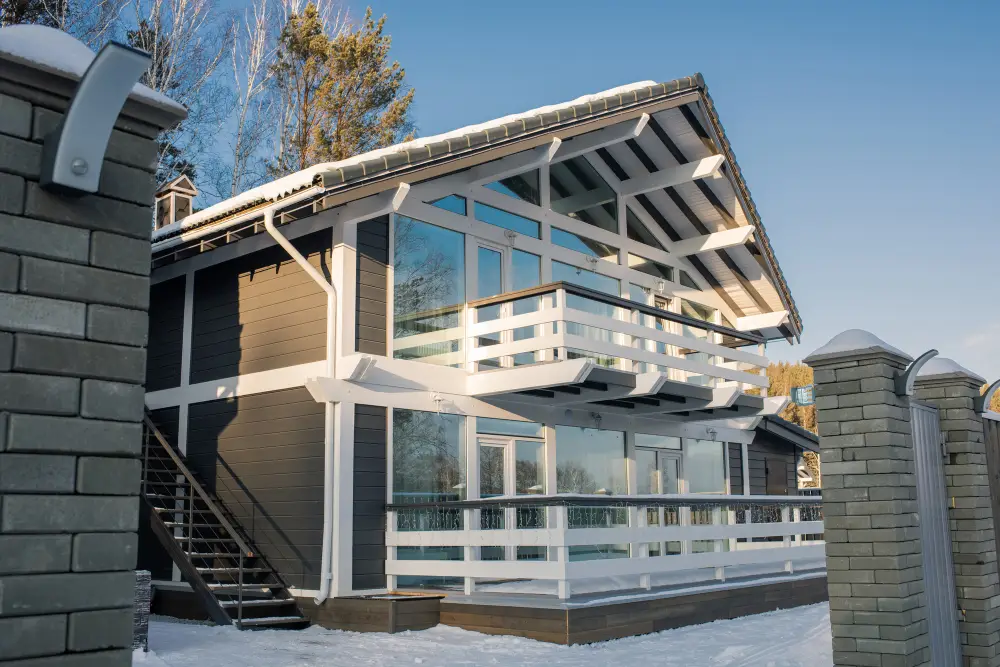
There is a clear difference between a home with outdoor structures and a home that grew outdoor rooms. The first has a pergola here, a pavilion there, an outdoor kitchen off to the side, each one bought and placed on its own. The second reads as one property, where the covered spaces, the structures, and the home all belong to the same design. You can feel the difference the moment you walk the property, even if you cannot name it.
That difference comes down to one idea. The best outdoor structures architectural extensions of the home, planned with the house and built to the same standard, rather than products added to the yard after the fact. When a structure is designed as part of the home, it carries the home’s proportions, materials, and detailing outward into the setting around it. When it is added on, it always looks added on. Here is how that work is done well.
The Difference Between an Extension & an Add-On
An add-on is a structure that exists on its own. A pergola kit assembled in the backyard. A prefab pavilion set on a pad. An outdoor kitchen islanded off in a corner. Each one might be fine in isolation, and together they make a property feel like a collection of purchases rather than a single design.
An extension is different. It is a structure designed as part of the home, carrying the same proportions, materials, and detailing into the outdoor space. The roofline relates to the house. The materials match or answer the home. The structure sits where it belongs in the larger plan. Outdoor structures architectural extensions become when they are drawn with the home, not chosen from a catalog and dropped onto the lot. The result reads as one property, because it was designed as one.
This is the heart of the matter. The structures themselves can be the same, a pergola, a pavilion, an outdoor kitchen, and the difference is entirely in how they were planned. Designed with the home, they extend it. Added after, they sit beside it.
What Makes a Structure Read as Part of the Home
A few things turn an outdoor structure from an object in the yard into a true extension of the house. These are the elements that matter most.
Proportion That Answers the Home
A structure has to be sized in relation to the house and the space around it. Too large and it competes with the home. Too small and it feels lost. Outdoor structures architectural extensions become when their proportions answer the home they belong to, so the structure feels like it grew from the house rather than landing next to it.
Materials That Carry the Home Outward
The fastest way to tie a structure to the home is through materials. Stone, timber, and finishes that match or answer the house pull the eye across from the home to the structure as one design. When the materials carry through, the structure reads as part of the property. When they clash, it reads as separate no matter how well it is built.
Rooflines & Detailing That Connect
The roof and the details are where the connection is made or lost. A roofline that follows the home, fasteners and finishes detailed to the same standard, and proportions that match all signal that the structure belongs. This is the quiet work that makes outdoor structures architectural extensions rather than add-ons, and it is the part most often skipped when a structure is bought instead of designed.
Placement Within the Larger Plan
Where a structure sits matters as much as how it is built. A pavilion placed to catch the view, a pergola positioned to shade the right space at the right time of day, an outdoor kitchen set where it serves the gathering areas. Placement that answers how the property is actually used is what makes a structure feel intentional rather than parked.
The Structures That Work as Extensions
A range of outdoor structures can be designed as true extensions of the home. The principle is the same across all of them.
Covered pavilions and porches give outdoor living space that works in more weather and reads as part of the home when the roof and materials connect. Pergolas define an outdoor room and provide shade while staying open to the air, and they belong when their proportions and materials answer the house. Outdoor kitchens and fireplaces become extensions when they are built into the design rather than islanded off, carrying the home’s materials and detailing into the space. Across all of them, outdoor structures architectural extensions become through the same care that goes into the home itself.
Designing for a Mountain Property
In Western North Carolina, the setting gives outdoor structures a larger role and a few specific demands.
The view and the climate make outdoor living a central part of how people use a mountain home, which raises the importance of getting these structures right. They are not extras here. They are some of the most used spaces on the property. The mountain weather also means the structures have to handle sun, rain, and the freeze-thaw cycle, which puts real weight on the materials and the build. And the slope of the land affects where structures can sit and how they relate to the grade, which is one more reason outdoor structures architectural extensions are planned with the site from the start.
Because these structures tie into the home, the materials, and the site work all at once, they are designed as part of the build rather than as later additions. This is part of why the discovery phase begins before any design work. The structures, the house, and the land are read together so each one lands where it belongs.
What People Usually Ask About
A few points come up whenever outdoor structures are part of the plan.
Designing Structures With the Home
A structure planned with the house always reads better than one added later. The proportions, materials, and detailing all connect when the structure is part of the design from the start. Added afterward, even a well-built structure tends to look separate from the home it sits near.
Why This Costs More Than a Catalog Structure
Designing and building a structure to match the home takes more than ordering a kit. The materials, the detailing, and the build are held to the same standard as the house, which is the reason the structure reads as part of the property rather than an object in the yard. The cost reflects that, and so does the result.
How the Process Begins
It begins with reading the land and the home together, so the structures can be placed and designed as extensions of both. We take a limited number of projects each year, so each one gets that attention, and a private consultation comes before we schedule anything.
Building Outward From the Home
The structures around a home can make a property feel like one design or like a set of separate purchases. The difference is in the planning. Outdoor structures architectural extensions become when they carry the home’s proportions, materials, and detailing into the space around it, designed with the house rather than added to the yard. Done this way, the whole property reads as one, and the outdoor rooms feel as considered as the indoor ones.
If you are planning a home or outdoor spaces in Western North Carolina, reach out for a private consultation. Tell us about your property and how you want to live on it, and we will walk through structures designed to extend the home rather than sit beside it.