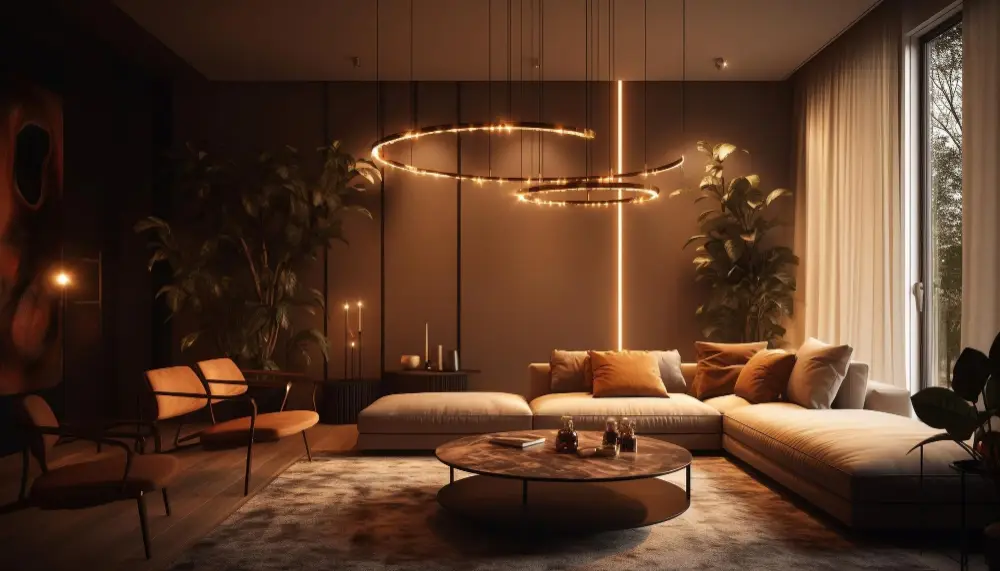
Lighting is the part of a home people notice least and feel most. Walk into a room that is lit well and you relax without knowing why. Walk into one that is lit poorly and something feels off, even when the finishes are beautiful. Most homes, even expensive ones, get lighting wrong in the same predictable ways, and the result is rooms that never quite feel the way they should.
Good lighting is not about buying nicer fixtures. It is about planning light the way you plan any other system in the home, early, deliberately, and around how the rooms will actually be used. These luxury home lighting design tips are the ones that separate a home that feels considered from one that just has fixtures in the ceiling. Here is how lighting is done well in a high-end custom home.
Why Most Homes Get Lighting Wrong
The common mistake is treating lighting as an afterthought. The home gets designed, the rooms get laid out, and then someone adds a grid of recessed cans to the ceiling and calls it lighting. The result is flat, even light everywhere, which sounds fine and feels institutional. A room lit by ceiling cans alone has no depth, no warmth, and no sense of where to look.
Good lighting is layered and planned, not sprinkled in at the end. The luxury home lighting design tips that matter most all come back to this. Light has to be designed into the home from the start, around the architecture and the way people live, rather than added once the rooms are built. A home where the lighting was an afterthought always reads that way, no matter how good the fixtures are.
The Layers That Make Lighting Work
The foundation of good lighting is layering. A well-lit room uses several kinds of light together, each doing a different job, so the room can shift from bright and functional to low and calm depending on the moment.
Ambient Light
Ambient light is the general fill that lets you see and move through a room. It is the base layer, and the mistake is stopping there. Ambient light alone is flat. It needs the other layers to give the room depth. Done well, ambient light is even and soft rather than a harsh grid overhead.
Task Light
Task light is the focused light where you actually do things. Under-cabinet light in the kitchen, a reading light by a chair, light at the bathroom mirror where it falls on your face rather than the top of your head. Among the luxury home lighting design tips, getting task light right is the one people feel most, because it is the light that makes a space usable.
Accent Light
Accent light is what gives a room depth and interest. Light on a stone wall, a piece of art, a run of shelving. Accent light is what separates a room that feels designed from one that is merely bright. It draws the eye and creates the shadows and highlights that make a space feel considered rather than flat.
The Tips That Matter Most
Beyond layering, a few decisions make the biggest difference in how a high-end home feels.
Put Everything on Dimmers
The single most useful move is to put nearly every light on a dimmer. A room needs different light at different times, bright for cooking or cleaning, low for the evening. Dimmers let one room do both. Of all the luxury home lighting design tips, this is the one that delivers the most for the least, because it makes every other layer adjustable.
Get the Color Temperature Right
Light has a color, measured in temperature, and getting it right matters. Warm light feels calm and residential, and it is usually the right choice for a home. Consistency matters too, since mixing warm and cool light across a room reads as a mistake even when people cannot name it. Choosing one warm temperature and holding it through the home keeps everything feeling intentional.
Hide the Source
The best lighting is often light you see the effect of without seeing the fixture. Recessed and concealed lighting, light coves, and fixtures tucked out of sightline let the light do its work without the hardware drawing attention. When the source is hidden, the room feels lit rather than fixtured.
Light the Architecture
Use light to show off the home itself. Graze a stone wall, light the underside of a beam, wash a textured surface. Lighting the architecture makes the home’s materials and details the feature, which is what high-end lighting is really for. This is where the luxury home lighting design tips move from function to artistry.
Plan for the Wiring Early
All of this depends on the wiring being planned before the walls close. Layered lighting, dimmers, and controls need the circuits and the wiring designed in from the start. Added later, they mean opening walls, which is why lighting has to be planned early rather than chosen at the end.
Lighting a Room Around How It Is Used
The best lighting plans start from how a room is actually used, not from a fixture layout. A kitchen needs bright task light at the counters and softer light for when the cooking is done. A bedroom needs low, warm light far more than it needs a bright ceiling. A bathroom needs good light at the mirror and gentle light elsewhere. These luxury home lighting design tips work because they begin with the activity and design the light around it, which is the opposite of dropping the same grid of cans into every room. Light planned around use is light that fits the room.
Lighting for a Mountain Home
In Western North Carolina, lighting design has an extra job, which is working with the light the setting already provides. A mountain home is usually built around its views and its natural light, and the artificial lighting has to complement that rather than fight it.
That means planning the electric light around the windows and the way daylight moves through the home across the day and the seasons. It means lighting that makes the home comfortable after dark without washing out the connection to the setting. And it means outdoor and transitional lighting that carries the home into the evening. Because lighting ties into the architecture and the wiring, it is planned as part of the build, which is why the discovery phase begins before any design work. We plan the lighting with the home and take a limited number of projects each year, so each one gets that attention, and a private consultation comes before we schedule anything.
Frequently Asked Questions
When Should Lighting Be Planned in a Custom Home?
Early, before the walls close. Layered lighting, dimmers, and controls all depend on the wiring being designed in from the start. Deciding on lighting after the home is built means opening walls to add circuits, which is expensive and limiting. Lighting planned with the home from the beginning is both better and cheaper.
What Is the Most Common Lighting Mistake in Expensive Homes?
Relying on a grid of recessed ceiling cans alone. It produces flat, even light with no depth or warmth, and it makes a home feel institutional no matter how good the finishes are. The fix is layering, ambient, task, and accent light together, with nearly everything on dimmers.
Are Dimmers Really Worth Putting Everywhere?
Yes. Dimmers let one room serve different moments, bright when you need function and low when you want calm. They are inexpensive relative to the rest of a lighting plan and they deliver more day-to-day flexibility than almost any other single choice. Putting nearly every light on a dimmer is one of the highest-value lighting decisions you can make.
How Does Lighting Affect the Value of a Home?
Good lighting makes every other investment in the home look its best. The finishes, the materials, and the architecture all read better under a considered lighting plan and worse under a flat one. Lighting is one of the least expensive ways to make a high-end home actually feel high-end, which is why it deserves real planning.
Lighting a Home That Feels Right
The finishes get the attention, but lighting is what decides how a home feels once the sun goes down. These luxury home lighting design tips all come back to one idea. Plan light in layers, early, around the architecture and the way people live, and put it on controls that let each room shift with the moment. Done that way, the lighting disappears and the home simply feels right, which is exactly the point.
If you are planning a custom home in Western North Carolina and you want it to feel as good in the evening as it looks in the day, reach out to Black Rabbit Construction for a private consultation. Tell us about your home and your plans, and we will walk through a lighting plan designed into the home from the start.