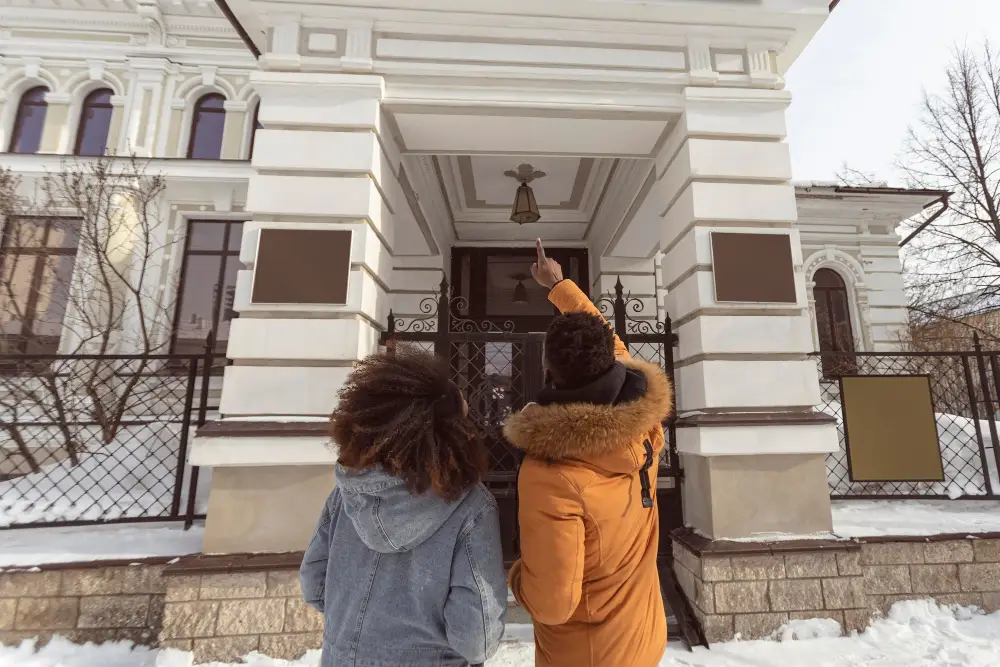
How to Modernize Historic Homes Without Losing Character in Weaverville NC
The historic homes in and around Weaverville represent a category of residential property that attracts a specific type of client, one who recognizes the character, the proportions, and the material quality of older construction and wants to preserve what makes these homes worth keeping while bringing their performance, their systems, and their interior spaces to a standard appropriate for how they intend to live in them.
The challenge of how to modernize historic homes Weaverville clients purchase and renovate is not primarily a design challenge. It is a construction and process challenge. The design direction, preserve what defines the home’s character while updating what limits its livability and its performance, is usually clear to the client before the project begins. What is less clear, and what determines whether the finished project achieves that balance or loses it, is the sequence and the discipline with which the renovation is executed.
A historic home in the Weaverville area that is renovated without a thorough existing conditions assessment, without structural analysis of the modifications the modernization requires, and without a firm that holds accountability for both the design intent and the construction execution will typically arrive at completion having lost some of the character the client wanted to preserve, not through a deliberate decision, but through the accumulated effect of field decisions made by contractors who did not have the design documentation or the design awareness to protect what mattered.
This guide covers how to approach the modernization of a historic home in Weaverville in a way that delivers genuine performance and livability improvements without compromising the character that made the property worth investing in.
Start With Documentation, Not Demolition
The first discipline that separates a successful historic home modernization from one that loses the character it set out to preserve is the sequence of assessment before action. Before any wall is opened, before any system is touched, and before any scope is committed to, the existing home must be thoroughly documented, its structural system, its material character, its spatial relationships, and the specific elements that define its identity as a historic property.
That documentation serves two purposes. First, it identifies the conditions the renovation must address, the structural issues, the mechanical deficiencies, the spatial limitations, before the scope is priced and the schedule is set. Second, it establishes a record of what the home contains that governs every construction decision made during the renovation, from the framing modification that opens a room to the window replacement that affects the exterior character.
For historic homes in the Weaverville area, this documentation phase includes a measured survey of the existing conditions, photographic documentation of the architectural details, structural assessment of the framing and foundation, and a mechanical inventory of the existing systems. It also includes identification of the elements that must be preserved, the trim profiles, the window configurations, the floor material, the spatial proportions that define the home’s character, and the elements that can be modified without compromising it.
The distinction between what must be preserved and what can be modified is not always obvious, and it is not always the same distinction the client would draw without the guidance of a firm that has renovated historic properties in this region before. Some details that appear minor in the context of the overall renovation have an outsized effect on the character of the finished home. Others that seem important to preserve can be modified in ways that are faithful to the original intent without requiring the preservation of every specific material condition.
Structural Modernization Without Disrupting the Fabric
The structural modifications that most historic home modernizations in the Weaverville area require, load-bearing wall removals to open spatial relationships between rooms, floor system reinforcement to accommodate contemporary mechanical systems and finish materials, and foundation improvements to address settlement or moisture conditions developed over decades, are the modifications most likely to disrupt the home’s character if they are not carefully planned and executed.
Load-bearing wall removal in a historic home is a structural intervention that must be engineered for the specific framing conditions of that home, not for what current code assumes about a standard platform-framed structure. Historic homes in the Weaverville area were built under construction methods and with framing members that differ from current standard in ways that affect how the load paths respond to modification. The assessment of those load paths before any wall is touched is not optional, it is the foundation of a structural modification scope that produces the spatial result the client wants without creating structural conditions that manifest as deflection, racking, or settlement after the renovation is complete.
The physical evidence of the structural modification, the beam that carries the load of the removed wall, the posts that transfer the beam load to the foundation, the connections that tie the new structural elements into the existing framing, can be expressed architecturally in ways that contribute to the character of the modernized interior rather than reading as surgical intrusions into an older home. An exposed steel beam at the transition between a kitchen and a living space, or a timber post at the entry to a dining room, can be detailed to read as a deliberate architectural element rather than as evidence of a wall that was removed. That level of integration between structural necessity and architectural expression is achievable when the design and the construction are managed by the same team.
Mechanical Modernization Without Compromising the Envelope
The mechanical systems of historic homes in the Weaverville area, heating, cooling, plumbing, and electrical, require modernization in virtually every renovation project at the luxury level. The systems in place were installed for the performance expectations and the occupancy patterns of an earlier era, and they are frequently at or past the end of their service life. Replacing them with systems appropriate for contemporary residential life is not optional, it is one of the primary reasons the renovation is being undertaken.
The challenge is routing new mechanical systems through a building whose framing, whose floor cavities, and whose wall assemblies were not designed to accommodate the ductwork, the pipe runs, and the electrical conduit that current systems require. Historic homes in the Weaverville area with solid plaster walls, narrow stud cavities, and floor systems with limited clearance between the subfloor and the finished ceiling below present routing conditions that modern construction does not.
The approach to mechanical system routing in a historic home renovation must be developed in the design phase, not figured out by the mechanical contractor during rough-in. When mechanical routing decisions are made in the field without design documentation governing them, the result is consistently the same: chases that disrupt the architectural character of the spaces they pass through, ceiling heights that are reduced by ductwork runs that were not planned to avoid primary rooms, and finish conditions that reveal the mechanical infrastructure rather than concealing it.
Black Rabbit coordinates mechanical system design with the architectural documentation of the historic home before any rough-in work begins, which means the routing decisions that determine how the mechanical systems interact with the historic fabric of the home are made on paper, where they can be evaluated, adjusted, and optimized, rather than in the field where the consequences of a poor decision are visible in the finished surface.
Preserving the Details That Define the Home
The architectural details of historic homes in the Weaverville area, the trim profiles, the window configurations, the floor material, the ceiling heights, the material character of the walls, are the accumulated evidence of how these homes were built and of the craft standards that governed their construction. They are also the details that most directly determine whether the modernized home retains the character that attracted the client to it in the first place.
The preservation of these details in the context of a renovation that also upgrades the home’s systems and spatial performance requires specific craft disciplines that are not universally available in the renovation market. Matching an existing trim profile requires a millwork shop capable of producing a custom profile from a sample of the original, not selecting the closest available standard profile from a catalog. Repairing a historic wood floor rather than replacing it requires the skills of a floor restoration specialist, not a flooring installer whose experience is primarily with new installation. Patching historic plaster rather than replacing it with drywall requires specific knowledge of how historic plaster was mixed, applied, and finished.
The scope decision, repair and preserve versus replace, is one that must be made for each category of historic detail based on the condition of the existing material and the availability of the craft skill required to restore it. Those decisions are made in the design and existing conditions assessment phase, with the client’s input on what they value most and the project team’s input on what is achievable at the quality level the restoration requires.
For clients renovating historic homes in Weaverville, the detail preservation decisions are among the most consequential of the project, and they are decisions that should be made early, before the construction schedule creates time pressure that pushes toward replacement rather than restoration.
Energy Performance Modernization in a Historic Context
One of the most significant performance gaps in historic homes in the Weaverville area is thermal performance. Homes built before the energy standards of the 1970s and later were typically constructed with minimal insulation, uninsulated or minimally insulated wall cavities, uninsulated attic floors or roof assemblies, and single-pane windows that provide no meaningful thermal resistance in the Western North Carolina climate.
Modernizing the thermal performance of a historic home to a standard appropriate for year-round comfortable occupancy at the elevation that many Weaverville-area properties occupy requires adding insulation and improving the air sealing of the envelope, interventions that must be executed carefully in a historic home to avoid the moisture management problems that poorly detailed thermal improvements can create in older construction.
Dense-pack cellulose or spray foam insulation installed in existing wall cavities through small-diameter holes drilled from the exterior and patched to match the existing finish is a common approach to wall insulation in historic home modernizations where the wall surfaces are being preserved. Attic insulation improvements that address the air barrier at the ceiling plane before adding insulation above it address the primary thermal and moisture management requirements simultaneously. Window replacement with thermally appropriate units that match the historic sash configuration, true divided light windows or simulated divided light windows with the profile and proportions of the originals, addresses the thermal performance of the glazing while preserving the window character that defines the exterior presence of the home.
These are not generic insulation and window replacement decisions, they are building science decisions made specifically for the historic fabric of the home they are applied to, and they require the coordination of the design team and the construction team that the unified contract structure provides.
Localized Advice for Weaverville Historic Home Owners
The historic homes in the Weaverville area that are worth modernizing are worth doing so at a level of care and craft that matches their character. A renovation that updates the systems and opens the spaces of a historic Weaverville home without preserving the details that define it produces a modernized house that has lost the specific quality that made it worth investing in. A renovation that preserves the details without addressing the systems and structural conditions beneath them produces a historic home that looks the way it should but does not perform the way the investment justifies.
The balance between those two outcomes is achieved through a process, assessment first, design second, construction third, that is most reliably delivered by a design-build firm with the renovation experience and the craft network to execute at both the structural and the finish level.
Black Rabbit Construction accepts a limited number of historic home modernization projects each year in the Weaverville area and surrounding Western North Carolina region. Discovery Phase consultations are available for clients who are evaluating a historic property for purchase or planning a modernization of a property they already own.
FAQ
How do I know which details of a historic Weaverville home are worth preserving in a renovation?
The existing conditions assessment and design phase of the project establish which details define the home’s character and which can be modified without compromising it. This determination is made collaboratively with the client, informed by the project team’s experience with historic renovation in this region and by the specific conditions of the home being renovated.
Does modernizing a historic home require approval from a historic preservation board in Weaverville?
Weaverville does not currently operate a local historic district with mandatory design review for all renovations. Homes that are individually listed on the National Register of Historic Places are subject to certain considerations if the renovation involves federal tax credits or federal funding. Most historic home modernizations in the Weaverville area are governed by Buncombe County building codes rather than historic preservation review requirements.
Can the energy performance of a historic Weaverville home be meaningfully improved without damaging its character?
Yes. Insulation improvements within existing wall cavities, attic air sealing and insulation, and window replacement with historically appropriate units are all achievable without damage to the historic fabric of the home when they are planned carefully and executed with the craft discipline the historic context requires.
How long does a historic home modernization project typically take in the Weaverville area?
Project timelines depend on the scope of the modernization, the extent of the structural work, the mechanical system replacement, and the finish restoration. Most historic home modernization projects at the luxury level in the Weaverville area run eight to eighteen months from design completion through project closeout. The existing conditions assessment and design phases run prior to that construction window.
Modernize the Home Without Losing What Makes It Worth Keeping
The process of modernizing a historic home in Weaverville without losing its character is a construction discipline as much as a design one. Black Rabbit Construction delivers that discipline through a unified design-build process that holds one team accountable for the assessment, the design, and the construction, and accepts a limited number of projects each year to maintain that standard.
Request Your Private Consultation → Start Your Discovery Phase → Discuss Your Project →