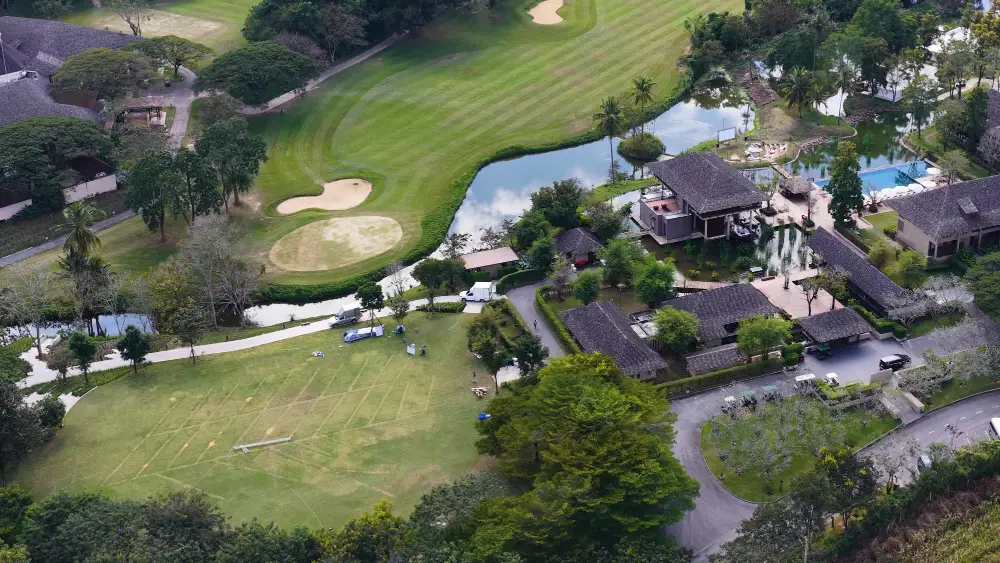
The best land for custom homes in Weaverville NC is not always the parcel with the longest mountain views or the lowest asking price. It is the land whose site conditions—slope grade, soil bearing capacity, drainage patterns, utility access, and driveway feasibility—align with your architectural vision so the project can be built at the intended specification level without site challenges driving costs beyond what the structure justifies.
This distinction matters more in the Weaverville area than in most residential markets. The terrain around Weaverville in Buncombe County presents diverse site conditions: ridge parcels rising east toward Reems Creek, forested acreage north toward Madison County, French Broad River corridor land to the west, and rolling transitional zones between town center and mountains. Each parcel type brings unique infrastructure requirements, engineering demands, and construction implications.
After evaluating over 200 parcels and building 50+ luxury custom homes across Weaverville’s diverse terrain since 2015, we’ve developed this comprehensive guide to help you identify land that will produce the outcome you’re building toward—before you commit to a purchase.
Quick Comparison: Weaverville Land Types
Before diving into details, here’s how the five primary land types in the Weaverville area (ZIP code 28787) compare:
| Land Type | Best For | Typical Site Prep Cost | Mountain Views | Average Price/Acre | Drive to Downtown |
|---|---|---|---|---|---|
| Ridge & Elevated | Privacy, dramatic views, prestige | $150,000–$250,000+ | ⭐⭐⭐⭐⭐ | $75,000–$150,000+ | 10–20 min |
| Wooded Acreage | Natural forest setting, larger lots | $80,000–$150,000 | ⭐⭐⭐ | $40,000–$85,000 | 15–25 min |
| Reems Creek Corridor | Proximity + views, creek access | $60,000–$120,000 | ⭐⭐⭐⭐ | $60,000–$120,000 | 8–15 min |
| French Broad Corridor | River frontage, flat acreage | $45,000–$100,000 | ⭐⭐ | $25,000–$60,000 | 10–15 min |
| Transitional/Gentle Slope | Budget efficiency, easier build | $40,000–$80,000 | ⭐⭐⭐ | $35,000–$75,000 | 5–15 min |
Costs and prices are estimates based on 2025-2026 market conditions in Buncombe County and can vary significantly based on specific parcel characteristics.
Ridge & Elevated Parcels
Ridge parcels above the Weaverville valley—particularly those at elevations between 2,400 and 2,800 feet—are the most sought-after land type for luxury custom home construction in Weaverville, and for immediately apparent reasons: panoramic views across Buncombe County toward the Black Mountains and Southern Appalachian ridgelines, natural separation from neighboring properties that elevation provides, and the sense of arrival that a home positioned above the terrain delivers.
What Ridge Parcels Offer
Long-range views: Unobstructed sightlines to Mount Mitchell, the Craggies, and layered ridgelines stretching 20+ miles in clear conditions.
Privacy through elevation: Natural screening from lower-elevation neighbors without requiring extensive landscaping.
Superior drainage: Most ridge configurations allow natural drainage away from building sites, reducing foundation waterproofing requirements.
Site-specific architecture: Terrain that allows homes to respond organically to topography, producing designs that cannot be replicated on flat lots.
Resale value stability: Ridge parcels in the Weaverville area consistently maintain value because the site conditions that make them compelling cannot be recreated.
What Ridge Parcels Require
Foundation engineering: Slope-appropriate foundation systems designed for the geological conditions of the specific site. Expect engineered pier-and-beam or specialty foundation systems rather than conventional slab construction.
Driveway construction: Access routes on grades that require careful engineering to remain navigable year-round during Western North Carolina’s winter conditions. Driveways exceeding 12-15% grade need switchbacks, proper base installation, and potentially heated sections.
Significant site preparation: Cut-and-fill operations, retaining walls, and grading to create level building pads and turnaround areas.
Well drilling complexity: Drilling on elevated, sloped terrain often requires specialized equipment access and may encounter variable aquifer depths. Well depths in ridge areas of Weaverville typically range from 250-500+ feet. (Source: NC Well Water Regulations)
Septic challenges: Steep slopes complicate conventional septic drain field installation, often requiring pump systems or alternative septic designs that add $15,000-$35,000 to infrastructure costs.
Wind exposure considerations: Elevated sites experience higher wind loads, requiring structural engineering specifications that meet North Carolina Building Code requirements for mountain exposure zones.
Ridge Parcel Site Development Cost Example
For a 3-acre ridge parcel at 2,600 feet elevation with 15% average slope:
- Driveway construction (600 linear feet, 14% grade): $45,000–$75,000
- Building pad preparation and retaining walls: $35,000–$60,000
- Well drilling (estimated 400-foot depth): $15,000–$25,000
- Alternative septic system with pump: $25,000–$40,000
- Utility trenching and electrical service: $12,000–$18,000
- Erosion control and site stabilization: $8,000–$15,000
Total estimated site development: $140,000–$233,000
For clients evaluating ridge parcels, our Discovery Phase site assessment identifies these costs before purchase commitments are made.
Best Ridge Areas in Weaverville
- Dula Springs Road corridor: Elevations 2,400-2,700 ft, views east toward Black Mountains
- Ox Creek area: Parcels north of downtown with southern exposure
- Reems Creek ridge parcels: Premium sites combining elevation with proximity to town (see Reems Creek section)
Wooded Acreage Parcels
Wooded acreage parcels—forested land north of Weaverville toward the Madison County line and in corridors east of town—represent a different value proposition for custom home builders in Western North Carolina.
What Wooded Acreage Parcels Offer
Privacy at property level: Natural screening from neighboring parcels through preserved forest canopy rather than engineered elevation.
Forest immersion setting: Homes that sit within the natural landscape rather than above it, creating a different aesthetic experience.
Selective clearing flexibility: The ability to clear only building areas, driveways, and view corridors while maintaining the character of the surrounding forest.
Larger lot sizes: Wooded parcels in Weaverville that haven’t been subdivided typically range from 5-20+ acres, providing extensive privacy buffers.
Lower acquisition costs: Wooded acreage without dramatic views typically costs $40,000-$85,000 per acre versus $75,000-$150,000+ for ridge parcels.
What Wooded Acreage Parcels Require
Strategic land clearing: Clearing must be designed to preserve drainage patterns, prevent erosion, and maintain the forest character that makes the site valuable. We provide land clearing and grading services specifically designed for this balance.
Soil condition management: Wooded parcels in Buncombe County frequently carry clay-bearing topsoil layers that behave differently once canopy is removed and ground is exposed to direct rainfall. Foundation and drainage design must account for these changes. (Reference: USDA Soil Survey for Buncombe County)
Long driveway costs: Building sites set back 800-1,500+ feet from public roads require substantial driveway investment:
- Clearing and grubbing: $8-$15 per linear foot
- Base preparation and grading: $12-$20 per linear foot
- Gravel surfacing (6″ compacted): $15-$25 per linear foot
- Culvert installation at drainage crossings: $2,500-$8,000 each
A 1,200-foot driveway on wooded acreage can represent $45,000-$75,000 of site development budget.
Tree protection during construction: Preserving specimen trees and forest character around the home site requires deliberate equipment routing, tree protection barriers, and phased clearing schedules that add time to the construction process.
Wildlife considerations: Wooded parcels attract more wildlife interaction (deer, black bear, turkey), which affects landscape planning, outdoor lighting design, and waste management during construction.
Wooded Acreage Cost Example
For a 7-acre wooded parcel with 1,100-foot setback from road access:
- Driveway construction (1,100 linear feet): $50,000–$70,000
- Selective land clearing (2.5 acres): $12,000–$20,000
- Building pad grading: $15,000–$25,000
- Tree protection and erosion control: $6,000–$10,000
- Well drilling: $12,000–$20,000
- Conventional septic system: $15,000–$25,000
- Utility extension: $10,000–$15,000
Total estimated site development: $120,000–$185,000
Reems Creek Corridor Parcels
The Reems Creek valley and parcels rising above it east of Weaverville represent one of the most active and desirable corridors for luxury custom home construction in the area. The combination of proximity to downtown Weaverville (8-15 minute drive), established residential character, and varied topography from valley floor to ridge sites makes this corridor particularly versatile.
What Reems Creek Corridor Parcels Offer
Proximity to town with rural character: Access to Weaverville’s town center, restaurants, and services within 10 minutes while maintaining agricultural and forested settings.
Topographic variety: Valley floor parcels with gentle slopes, mid-elevation sites with partial views, and ridge parcels with full panoramic exposure—all within the same geographic corridor.
Established infrastructure: Many Reems Creek properties have paved road frontage, reducing driveway construction costs compared to remote wooded parcels.
Creek-side settings: Lower-elevation parcels offer creek frontage and the sound of moving water, a feature not available on ridge sites.
Strong resale market: The Reems Creek area has consistent buyer demand for luxury custom homes due to location and setting quality.
What Reems Creek Corridor Parcels Require
Drainage and flood zone evaluation: Creek-side and lower-valley parcels require careful assessment of seasonal water movement and FEMA flood zone designation before building site selection.
Variable septic design requirements: Lower-lying parcels may require alternative septic designs or pump systems if seasonal high water tables affect conventional drain field placement. Soil testing by a licensed soil scientist is essential before purchase.
Foundation drainage systems: Even parcels above flood zones in the Reems Creek valley may require perimeter drain systems and sump pumps to manage groundwater during heavy rainfall periods common in Western North Carolina.
Utility availability varies: Some Reems Creek corridor parcels have access to Buncombe County water service, while others require private wells. Confirm utility availability during due diligence.
Viewshed protection limitations: Lower and mid-elevation sites in the corridor may have views subject to change if neighboring parcels are developed, unlike ridge sites where elevation protects viewsheds.
Reems Creek Area Neighborhoods
- Lower Reems Creek Road: Valley floor to mid-elevation parcels, mix of agricultural and residential, 8-12 min to downtown
- Upper Reems Creek: Higher elevation ridge sites, 2,200-2,600 ft elevation, 12-18 min to downtown
- Ox Creek (Reems Creek tributary): North-facing parcels with seasonal creek features
- Dula Springs area: Transitional zone between Reems Creek and ridge parcels to the north
Reems Creek Corridor Cost Example
For a 3.5-acre mid-elevation parcel (2,100 ft) with paved road frontage:
- Driveway construction (400 linear feet, 8% grade): $18,000–$28,000
- Site grading and pad preparation: $20,000–$30,000
- Foundation drainage system: $8,000–$12,000
- Well drilling (280-foot average depth): $10,000–$16,000
- Conventional septic system: $12,000–$20,000
- Utility connection (power available at road): $5,000–$8,000
Total estimated site development: $73,000–$114,000
The Reems Creek corridor often represents the best balance of site development costs, location convenience, and setting quality for clients building luxury custom homes in Weaverville.
French Broad River Corridor Parcels
Parcels in the French Broad River corridor west and northwest of Weaverville present building environments distinct from ridge and wooded acreage sites. These properties offer river frontage, larger flat acreage, and agricultural character connected to one of Western North Carolina’s most significant waterways.
What French Broad Corridor Parcels Offer
River frontage and water access: Direct access to the French Broad River for kayaking, fishing, and waterfront lifestyle amenities not available on mountain parcels.
Larger flat or gently rolling parcels: Sites ranging from 5-20+ acres with topography that requires less dramatic site preparation than ridge or steep wooded parcels.
Agricultural and pastoral character: Open field settings with mountain backdrops, offering a different aesthetic than forested mountain sites.
Lower land acquisition costs: French Broad corridor parcels typically range from $25,000-$60,000 per acre due to flood zone considerations and distance from Weaverville’s town center.
Potential for farm/estate properties: Acreage suitable for equestrian facilities, vineyards, or gentleman farming alongside luxury custom home construction.
What French Broad Corridor Parcels Require
Mandatory flood zone evaluation: FEMA flood zone mapping must be reviewed before purchase. Properties within designated flood zones face significant building restrictions:
- Special Flood Hazard Areas (SFHA/Zone A or AE) require flood insurance and elevated construction
- First-floor elevations must meet Base Flood Elevation (BFE) requirements
- Certain foundation types may be prohibited
Riparian buffer setbacks: North Carolina riparian buffer rules establish minimum setbacks from river banks that affect where structures, septic systems, and site improvements can be placed—typically 50+ feet from ordinary high water mark.
Seasonal water table management: Properties near the river may have high seasonal water tables affecting:
- Septic system design and placement
- Basement feasibility (often not recommended)
- Foundation drainage requirements
Well water considerations: Some French Broad corridor parcels have good well production due to proximity to the river aquifer, while others may have surface water influence affecting water quality. Pre-purchase well testing recommended.
Longer drive time to Weaverville amenities: Most French Broad corridor parcels sit 10-18 minutes from downtown Weaverville versus 5-12 minutes for Reems Creek corridor sites.
French Broad Corridor Cost Example
For an 8-acre parcel with river frontage, building site outside FEMA flood zone:
- Driveway construction (600 linear feet, minimal grade): $22,000–$35,000
- Site grading (minimal due to flat terrain): $12,000–$18,000
- Well drilling and testing: $12,000–$18,000
- Septic system (may require alternative design): $18,000–$28,000
- Foundation drainage system: $10,000–$15,000
- Utility extension: $8,000–$12,000
- Riparian buffer landscaping/restoration: $5,000–$10,000
Total estimated site development: $87,000–$136,000
French Broad corridor parcels work best for clients who prioritize river access, larger acreage, and pastoral settings over mountain views and proximity to Weaverville’s town center.
Gently Sloping Transitional Parcels
Not every parcel in the Weaverville area presents dramatic ridge topography or significant regulatory considerations. Gently sloping transitional parcels—land between valley floors and steeper ridgelines, with grades between 5-12% that allow straightforward site preparation without extreme engineering—represent practical and often cost-effective options for clients who want mountain settings without the site development budgets that ridge and remote wooded parcels demand.
What Transitional Parcels Offer
Manageable site development costs: Foundation and grading work comparable to conventional residential construction rather than specialized mountain building techniques.
Easier driveway design: Grades between 6-10% that don’t require switchbacks or specialized winter traction surfacing.
More predictable soil conditions: Less geological variation than steep ridge sites, making foundation design and septic system installation more straightforward.
Budget allocation toward the home: Clients can invest more in architectural specifications, interior finishes, and building systems rather than site preparation infrastructure.
Year-round construction access: Gentler grades allow construction equipment and material deliveries in winter conditions that would prevent access to steeper ridge sites.
What Transitional Parcels Require
Drainage design still essential: Even gentle slopes require proper stormwater management, foundation perimeter drains, and grading that directs water away from the home.
Soil bearing capacity confirmation: Soil conditions vary across transitional parcels in Buncombe County. Geotechnical testing before foundation design prevents costly mid-construction discoveries.
Septic and well evaluation: The same due diligence required for other parcel types applies—perc testing, soil evaluation, and well yield assessment before purchase.
Utility access confirmation: Distance from the building site to the nearest utility connection point affects infrastructure costs even on gentler terrain.
View limitations: Transitional parcels typically offer more modest views than ridge sites—partial mountain views through tree canopy rather than panoramic ridgeline exposure.
Transitional Parcel Cost Example
For a 2.5-acre transitional parcel with 8% slope, paved road frontage:
- Driveway construction (350 linear feet): $14,000–$22,000
- Site grading and pad preparation: $15,000–$22,000
- Foundation excavation: $8,000–$12,000
- Well drilling (220-foot average depth): $9,000–$14,000
- Conventional septic system: $12,000–$18,000
- Utility connection: $4,000–$7,000
Total estimated site development: $62,000–$95,000
For clients prioritizing budget efficiency and construction simplicity while maintaining Weaverville area location, transitional parcels deliver the best value proposition.
Pre-Purchase Site Assessment Checklist for Weaverville Land
Before purchasing any parcel for custom home construction in the Weaverville area, assess these critical factors. Our Discovery Phase consultation provides professional evaluation of each item before you commit to a land purchase.
1. Septic System Suitability ⭐ MOST CRITICAL
What to do: Order a percolation test and soil evaluation by a North Carolina licensed soil scientist.
Why it matters: A parcel that cannot support a septic system of adequate capacity for your intended home size cannot support the home, regardless of other site qualities.
What to look for:
- Soil percolation rate (determines drain field size requirements)
- Seasonal high water table depth (must be 12″+ below drain field)
- Adequate land area for primary and reserve drain fields
- Soil depth to restrictive layers (bedrock, hardpan)
Cost: $500-$1,200 for comprehensive soil evaluation
Red flags:
- Very slow perc rates requiring oversized drain fields
- High seasonal water table
- Shallow depth to bedrock
- Steep slopes limiting drain field placement options
2. Well Water Yield and Quality
What to do: Review well logs from neighboring properties via Buncombe County GIS or hire a well driller for a consultation.
Why it matters: Well drilling depth and yield are not guaranteed. Some areas of Weaverville have documented variation in aquifer conditions.
What to look for:
- Typical well depths in the immediate area (affects drilling cost)
- Reported yield rates (minimum 5 GPM for residential)
- Water quality issues reported in the area (iron, sulfur, hardness)
Estimated well drilling costs:
- 200-300 ft depth: $8,000-$14,000
- 300-450 ft depth: $12,000-$22,000
- 450-600 ft depth: $18,000-$30,000+
Red flags:
- Neighboring wells deeper than 500 feet
- Reports of dry wells or poor yield in area
- Known water quality issues requiring extensive treatment systems
3. Driveway Feasibility and Grade
What to do: Walk the route from the public road to your intended building site with a professional site assessment.
Why it matters: Driveway construction is often the single largest site development cost. Grades exceeding 15% require switchbacks and specialized construction.
What to look for:
- Total linear distance from road to building site
- Average and maximum grade percentages
- Creek or drainage crossings requiring culverts or bridges
- Rock outcroppings requiring blasting
- Necessary tree clearing width
Practical grade limits:
- 0-8%: Ideal, standard construction methods
- 8-12%: Manageable, good drainage design required
- 12-15%: Challenging, may require specialty surfacing for winter traction
- 15%+: Requires switchbacks or alternative access routes
Red flags:
- Sustained grades over 15%
- Multiple drainage crossings
- Extensive rock requiring removal
- Extreme length (1,500+ linear feet to building site)
4. FEMA Flood Zone Status
What to do: Review the parcel on FEMA’s Flood Map Service Center.
Why it matters: Building in designated flood zones requires expensive elevated construction, restricts foundation types, and mandates flood insurance.
Flood zone classifications:
- Zone X (unshaded): Minimal flood risk, no restrictions
- Zone X (shaded): Moderate risk, insurance recommended but not required
- Zone A or AE: Special Flood Hazard Area, significant building restrictions apply
- Floodway: Building typically prohibited
Red flags:
- Any portion of intended building site in Zone A, AE, or Floodway
- Proximity to SFHA boundaries (flood zones can be remapped)
5. Slope and Grading Requirements
What to do: Obtain a topographic survey showing existing contours at 2-foot intervals.
Why it matters: Slope determines foundation type, grading costs, retaining wall needs, and drainage complexity.
What to look for:
- Slope percentage across intended building footprint
- Areas requiring cut vs. fill for level building pad
- Potential retaining wall locations and heights
- Natural drainage patterns
Slope categories:
- 0-5%: Minimal grading, conventional foundation options
- 5-12%: Moderate grading, walkout basement potential
- 12-20%: Significant grading, engineered retaining walls likely
- 20%+: Specialty foundations, extensive terracing required
6. Utility Access and Extension Costs
What to do: Contact utility providers to determine connection feasibility and costs.
Key utilities to verify:
- Electrical service: Distance to nearest transformer, upgrade requirements
- Buncombe County water (if available): Connection fee and line extension costs
- Natural gas (rare in rural Weaverville): Typically not available; budget for propane
- Internet/communications: Fiber availability, or budget for satellite/cellular
Typical costs:
- Power line extension: $15-$35 per linear foot
- Water line extension: $25-$50 per linear foot
- Transformer upgrade: $2,500-$8,000
- Propane tank installation: $1,500-$3,500
7. Zoning and Building Restrictions
What to do: Review zoning designation and restrictions through Buncombe County Planning.
What to look for:
- Minimum lot size requirements
- Setback requirements from property lines
- Height restrictions
- Architectural review requirements (if in HOA or planned community)
- Tree protection ordinances
Potential restrictions:
- Homeowner association design review boards
- Conservation easements limiting building areas
- Historic district overlay zones
- Steep slope ordinances
8. Access and Easement Rights
What to do: Review the deed and survey for access easements, shared driveways, or right-of-way issues.
Red flags:
- Access via easement across neighboring property (creates maintenance and legal complexities)
- Shared driveway with maintenance agreement disputes
- Landlocked parcels requiring new easement negotiation
- Utility easements crossing ideal building sites
9. Environmental and Natural Hazard Considerations
What to assess:
- Wetlands presence (requires US Army Corps of Engineers review)
- Protected species habitat
- Karst topography (sinkholes, underground drainage)
- Wildfire risk (especially on ridge parcels with limited access)
- Landslide potential on steep slopes
Resources:
- USDA Soil Survey for soil characteristics
- NC Wetlands information
Best Weaverville-Area Neighborhoods for Custom Home Land
Based on over a decade of building luxury custom homes across the Weaverville area, these corridors consistently offer the best combination of site quality, location, and development feasibility:
Top Tier: Premium Location + Setting
Reems Creek Corridor (Upper & Lower)
- Mix of valley floor to ridge parcels
- 8-15 min to downtown Weaverville
- Established custom home community
- Average lot: 3-7 acres, $175,000-$450,000
Dula Springs Area
- Ridge and transitional parcels
- Eastern views toward Black Mountains
- 10-18 min to downtown
- Average lot: 4-10 acres, $200,000-$550,000
Ox Creek Corridor
- Wooded and ridge parcels
- Quieter, more private than Reems Creek
- 12-20 min to downtown
- Average lot: 5-15 acres, $150,000-$400,000
Second Tier: Excellent Value + Quality
North Weaverville (toward Madison County)
- Larger wooded acreage parcels
- More affordable per-acre pricing
- 15-25 min to downtown
- Average lot: 7-20 acres, $120,000-$350,000
West Weaverville (toward Marshall)
- Mix of transitional and French Broad corridor
- Larger lots, pastoral settings
- 12-20 min to downtown
- Average lot: 5-12 acres, $100,000-$275,000
Emerging/Transitional Areas
- South Weaverville (toward Asheville border)
- Closer to Asheville amenities
- More subdivision-style development
- 8-12 min to downtown Weaverville
- Smaller lots: 2-4 acres, $140,000-$320,000
Complete Cost Breakdown: Land + Site Development by Parcel Type
Understanding total project investment requires combining land acquisition with site development costs. Here’s what clients in 2026 should budget for various Weaverville-area scenarios:
Scenario 1: Premium Ridge Parcel
- Land: 4 acres at $110,000/acre = $440,000
- Site development: $180,000 (steep driveway, well, alternative septic, significant grading)
- Total land + site prep: $620,000
- Recommended home budget: $750,000-$1,200,000
- Total project: $1,370,000-$1,820,000
Scenario 2: Reems Creek Mid-Elevation
- Land: 3.5 acres at $85,000/acre = $297,500
- Site development: $95,000 (moderate driveway, conventional septic, standard grading)
- Total land + site prep: $392,500
- Recommended home budget: $600,000-$950,000
- Total project: $992,500-$1,342,500
Scenario 3: Wooded Acreage North of Town
- Land: 8 acres at $55,000/acre = $440,000
- Site development: $145,000 (long driveway, selective clearing, conventional systems)
- Total land + site prep: $585,000
- Recommended home budget: $550,000-$850,000
- Total project: $1,135,000-$1,435,000
Scenario 4: Transitional Parcel (Best Value)
- Land: 2.5 acres at $62,000/acre = $155,000
- Site development: $75,000 (short driveway, minimal grading, conventional systems)
- Total land + site prep: $230,000
- Recommended home budget: $500,000-$800,000
- Total project: $730,000-$1,030,000
Scenario 5: French Broad Corridor Estate
- Land: 10 acres at $42,000/acre = $420,000
- Site development: $110,000 (moderate driveway, flood compliance, well/septic)
- Total land + site prep: $530,000
- Recommended home budget: $600,000-$900,000
- Total project: $1,130,000-$1,430,000
When to Choose Each Land Type
Choose Ridge Parcels If You:
- Prioritize panoramic mountain views above all else
- Want maximum privacy and prestige
- Have budget flexibility for higher site development costs
- Don’t mind longer, steeper driveways
- Plan to build a home worthy of the site ($750K+ construction budget)
Choose Wooded Acreage If You:
- Value forest immersion and natural setting over views
- Want larger lot sizes (7+ acres)
- Prefer privacy through acreage rather than elevation
- Are comfortable with longer driveways
- Want lower per-acre land costs
Choose Reems Creek Corridor If You:
- Want the best balance of location, views, and cost
- Prefer proximity to Weaverville town center (10-15 min)
- Value established neighborhood character
- Want flexibility in topography (valley floor to ridge options available)
- Seek strong resale market positioning
Choose French Broad Corridor If You:
- Prioritize river access and water features
- Want large, flat acreage (5-20+ acres)
- Prefer pastoral/agricultural settings over mountain forest
- Are comfortable navigating flood zone regulations
- Value lower land acquisition costs
Choose Transitional Parcels If You:
- Want to maximize construction budget while minimizing site costs
- Prefer easier year-round access and construction logistics
- Don’t require dramatic views or extreme privacy
- Value predictability in site development costs
- Are building your first custom home and want to minimize complexity
How Black Rabbit Construction Evaluates Land Before You Buy
We’ve developed a comprehensive Discovery Phase specifically for clients in the land evaluation stage. Before you commit to a purchase, we provide:
Site Assessment Services Include:
✅ Topographic analysis — Drone survey and contour mapping of building site options
✅ Geotechnical consultation — Soil bearing, drainage patterns, and foundation type recommendations
✅ Septic feasibility review — Pre-purchase evaluation of soil conditions and system sizing
✅ Well drilling consultation — Analysis of neighboring well logs and depth/yield projections
✅ Driveway routing and costing — 3D modeling of access routes with grade analysis
✅ Utility connection assessment — Distance verification and extension cost estimates
✅ Regulatory review — Zoning, setbacks, flood zones, and permit requirements
✅ Preliminary budget modeling — Site development costs vs. structure budget optimization
✅ Comparative parcel analysis — Side-by-side evaluation if you’re considering multiple properties
Discovery Phase Investment:
- Single parcel evaluation: $2,500
- Multi-parcel comparison (up to 3): $4,500
- Full credit applied if you proceed to design-build contract with Black Rabbit Construction
This investment frequently saves clients $50,000-$150,000+ by identifying site issues before purchase or steering them toward parcels better aligned with their architectural program and budget.
→ Schedule Your Land Evaluation Consultation
Frequently Asked Questions
Should I hire a builder before purchasing land in Weaverville?
Yes—engaging a design-build firm before finalizing a land purchase is one of the most consistently valuable steps a client building at the luxury level can take.
A professional site assessment conducted before purchase produces the information a realistic project budget requires, and it can identify site conditions that affect the feasibility of the intended project before the land purchase is committed to.
Our Discovery Phase is specifically structured to provide this input during your land search, not after you’ve already closed on a parcel. Learn more about our design-build process.
How much acreage do I need for a luxury custom home in the Weaverville area?
The minimum acreage for a private land custom home in Buncombe County is driven primarily by septic system requirements—the soil absorption area a properly sized septic system requires determines the minimum usable lot size for a home of a given bedroom count.
Minimum lot sizes by home size:
- 3-bedroom home: 1.5-2 acres minimum (depending on soil conditions)
- 4-bedroom home: 2-2.5 acres minimum
- 5+ bedroom home: 2.5-3+ acres minimum
In practice, most luxury custom home projects in the Weaverville area occur on parcels of 3-7 acres, with the larger acreage providing:
- Adequate setbacks from property lines
- Privacy buffers from neighboring homes
- Flexibility in building site placement
- Room for outbuildings, pools, or future additions
- Primary and reserve septic drain field areas
Clients seeking estate properties with equestrian facilities, vineyards, or extensive grounds typically purchase 10-20+ acre parcels.
What is the most important thing to verify before buying land in Weaverville?
Septic suitability is the single most consequential factor for parcels that require private septic systems.
A parcel that cannot support a septic system of adequate capacity for the intended home cannot support the home, regardless of what the structure above the foundation costs. That determination must be made before the purchase is finalized.
Required step: Order a percolation test and soil evaluation by a North Carolina licensed soil scientist during your due diligence period. This test costs $500-$1,200 and provides:
- Soil percolation rate
- Seasonal high water table depth
- Required drain field size
- Confirmation the lot can accommodate primary + reserve drain fields
Make your purchase contract contingent on satisfactory perc test results.
What is the average cost per acre for custom home land in Weaverville NC?
Land prices in Weaverville vary significantly by location, terrain, and views:
Ridge parcels with panoramic views: $75,000-$150,000+ per acre
- Premium ridge sites with exceptional views can exceed $200,000/acre
Reems Creek corridor (mid-elevation): $60,000-$120,000 per acre
- Valley floor parcels: $50,000-$80,000/acre
- Ridge parcels above Reems Creek: $90,000-$140,000/acre
Wooded acreage (north toward Madison County): $40,000-$85,000 per acre
- Larger parcels (10+ acres) may average lower per-acre pricing
Transitional parcels (gentle slope, limited views): $35,000-$75,000 per acre
French Broad River corridor: $25,000-$60,000 per acre
- River frontage parcels command premiums within this range
- Flood zone designation significantly affects value
These are 2025-2026 market estimates. Specific pricing depends on:
- Exact location and proximity to town
- Road frontage type (paved vs. gravel)
- Utilities available at property line
- Subdivision restrictions or HOA presence
- Size of parcel (larger acreage often has lower per-acre cost)
Can I build on steep mountain lots in Weaverville?
Yes, but steep lots require specialized engineering, foundation systems, and site preparation that significantly increase development costs.
Slope categories and construction implications:
12-20% slope:
- Engineered foundation systems (piers, stepped footings)
- Retaining walls for building pad and terracing
- Driveway switchbacks likely required
- Site development budget: $120,000-$200,000
20-30% slope:
- Specialty foundation systems (deep piers, caissons)
- Significant cut-and-fill operations
- Extensive retaining wall systems
- Limited building pad size without major earthwork
- Site development budget: $180,000-$300,000+
30%+ slope:
- Extreme engineering requirements
- May require pier-and-beam or post-foundation designs
- Very limited building pad options
- Driveway construction extremely challenging
- Site development budget: $250,000-$500,000+
- Often not economically feasible for residential construction
Additional steep-lot considerations:
- Construction access difficulty (increases labor and material costs)
- Erosion control requirements during and after construction
- Ongoing site maintenance (retaining wall inspection, drainage clearing)
- Reduced buildable square footage relative to lot size
- Challenges for aging-in-place accessibility
We specialize in mountain home construction on challenging terrain, but we always recommend comprehensive site assessment before purchasing steep parcels to ensure the site development investment aligns with your total project budget.
Does Black Rabbit assist clients who are still evaluating parcels?
Yes. Our Discovery Phase is specifically structured to accommodate clients who are in the land evaluation phase and want professional site assessment input before a purchase commitment is made.
This service is most valuable when you’re:
- Comparing 2-3 parcels and need objective analysis
- Considering a parcel but uncertain about feasibility
- Wanting to understand total project costs (land + site + structure) before making offers
- Negotiating a land purchase and need documentation of site development costs
Discovery Phase for land evaluation includes:
- Site visit and assessment documentation
- Preliminary review of soil conditions, drainage, access
- Order of magnitude site development cost estimates
- Comparison analysis if evaluating multiple parcels
- Recommendations on suitability for your architectural program
Investment: $2,500 single parcel | $4,500 for up to 3 parcels
Full credit applied toward design-build contract if you proceed with Black Rabbit Construction.
→ Request Land Evaluation Services
What are the best months to buy land in Weaverville?
Late fall through winter (November-February) typically offers the best negotiating position:
- Fewer competing buyers (market slows in cold months)
- Sellers more motivated to close before year-end
- Land that’s been listed through summer without selling may have price flexibility
Spring/early summer (April-June) is the most competitive season:
- Highest buyer activity and competition
- Land shows best with spring foliage
- Multiple offer situations more common
Site assessment considerations by season:
- Spring: Best for evaluating drainage patterns during heavy rain season
- Summer: Easiest site access, good for walking wooded parcels
- Fall: Views through thinning foliage, moderate weather for site visits
- Winter: Can reveal access challenges (steep driveway ice/snow issues), but some site conditions harder to evaluate
Pro tip: Purchase in winter, but make the contract contingent on spring perc testing and soil evaluation when ground conditions allow accurate assessment.
Do I need mountain views for good resale value?
No—while mountain views add appeal and often command premium pricing, location, quality of construction, and site characteristics are equally or more important for resale value in the Weaverville market.
Strong resale factors beyond views:
1. Proximity to Weaverville town center
- Homes within 10-15 minutes of downtown consistently outperform more remote properties in resale velocity
2. Site usability and accessibility
- Gentle driveways and level building sites appeal to broader buyer pools than dramatic but challenging terrain
3. Acreage and privacy
- 3-7 acre parcels with privacy buffers maintain value regardless of view quality
4. Quality of construction and finishes
- High-end specifications, craftsmanship, and systems retain value better than view alone
5. Modern systems and efficiency
- Energy-efficient envelopes, quality HVAC, and low-maintenance exteriors matter to luxury buyers
Market data from Weaverville area resales (2020-2025):
- Well-built homes on wooded 5-acre parcels without dramatic views: Average 14 months to sell
- Well-built homes on ridge parcels with panoramic views: Average 11 months to sell
- Poorly built homes on ridge parcels with exceptional views: Average 18+ months to sell
Conclusion: Views add value but don’t compensate for poor location, challenging site access, or inferior construction quality. A well-executed home on a transitional parcel near town will often outperform a mediocre home on a remote ridge.
Focus on total site quality, not just viewshed.
What utilities are available in rural Weaverville areas?
Most rural parcels in the Weaverville area outside town limits require private well and septic systems. Here’s what’s typically available:
Electrical service: ✅ Available
- Duke Energy serves the Weaverville area
- Extension costs: $15-$35 per linear foot from nearest transformer
- Service upgrade to 200-amp residential: $2,500-$5,000
Municipal water: ⚠️ Limited availability
- Buncombe County water service available in some corridors
- Not available in most rural/mountain parcel areas
- If available, connection fees: $3,000-$8,000 + line extension costs
Private well required in most areas:
- Typical depth: 200-500 feet
- Drilling cost: $8,000-$30,000 depending on depth
- See Well Water section above
Septic systems required in areas without municipal sewer:
- Conventional septic: $12,000-$25,000
- Alternative systems: $20,000-$45,000
- See Septic Assessment section above
Natural gas: Not available
- Propane is standard for rural Weaverville homes
- Tank installation: $1,500-$3,500
- Buried tank recommended for luxury properties
Internet/Communications:
- Fiber internet: Available in some Reems Creek and closer-to-town corridors
- Cable internet: Limited to areas near town
- DSL: Available in some areas but slower speeds
- Satellite (Starlink, HughesNet): Available everywhere, backup option for remote parcels
- Cellular home internet: Increasingly viable with 5G expansion
Pro tip: Verify specific utility availability for any parcel during due diligence. Don’t assume availability based on neighboring properties—service areas can have abrupt boundaries.
Final Recommendations: Matching Land Type to Your Priorities
The best land for custom homes in Weaverville NC is the parcel whose conditions align with the project you intend to build—not necessarily the parcel with the most dramatic setting or the lowest asking price.
Key principle: A ridge parcel with exceptional views and a $220,000 site development requirement is a fundamentally different investment than a gently sloping transitional parcel with moderate views and a $65,000 site development requirement. Both can produce an outstanding custom home. The question is which budget allocation produces the outcome you value most.
Our Recommendation Process:
Step 1: Define your priorities
- Views vs. privacy vs. proximity to town
- Architectural style and program requirements
- Total project budget (land + site + structure)
- Timeline and construction season preferences
Step 2: Identify 2-4 candidate parcels that preliminarily match priorities
Step 3: Engage Black Rabbit for Discovery Phase assessment
- Site visits and documentation
- Feasibility analysis and cost modeling
- Comparative evaluation and recommendation
Step 4: Make informed purchase decision with complete cost picture
Step 5: Proceed to architectural design and construction with site conditions fully understood
This process consistently produces better outcomes than purchasing land based on aesthetics alone, then discovering site constraints during the design phase.
Start Your Weaverville Custom Home Land Search the Right Way
Black Rabbit Construction has evaluated over 200 parcels and built 50+ luxury custom homes across Weaverville’s diverse terrain since 2015. Our Discovery Phase is designed to provide site assessment and feasibility analysis for clients in the earliest planning stages—before land purchases are finalized.
The number of Discovery Phase consultations we accept is limited to ensure each evaluation receives the attention it requires.
Three Ways to Begin:
→ Schedule Your Private Land Evaluation Consultation
Get professional assessment of specific parcels you’re considering.
→ Start Your Discovery Phase
Comprehensive site analysis, budget modeling, and feasibility review.
→ Request Project Information
Discuss your custom home vision and receive guidance on land selection criteria.
Black Rabbit Construction
Custom Home Builder | Weaverville, NC
📧 gabe@blackrabbitconstructionnc.com
📞 (828) 335-1962
Serving Weaverville, Reems Creek, Asheville, Black Mountain, Fairview, Hendersonville, and surrounding Buncombe County areas.
🔗 Related Resources
Location Guides:
- Custom Homes in Weaverville NC
- Weaverville vs. Asheville: Best Place to Build a Luxury Home
- Why Weaverville is Growing for Custom Mountain Homes
Land & Site Development:
- Building on Rural Land Near Weaverville: Pros & Cons
- Weaverville Mountain Lot Challenges Explained
- Property Infrastructure for Private Land
- Land Clearing, Excavation & Grading Services
- Retaining Wall Costs for Sloped Properties
Custom Home Planning: