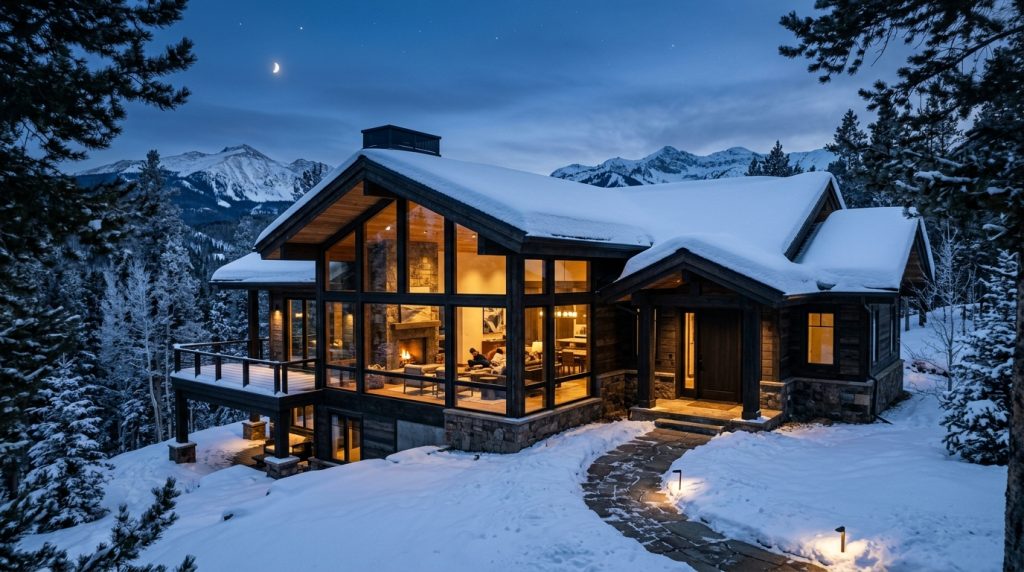
Most homeowners think about the outside of a house in terms of how it looks, and they rarely think about how hard it works. The outer shell of a home does the quiet job of keeping the weather out and the comfort in, every hour of every day. When that shell performs well, the home stays comfortable and costs less to run. When it begins to fail, the home becomes drafty and expensive to heat long before anyone traces the problem back to its cause.
Exterior envelope upgrades give that shell back its performance. They address the windows, the roof, the siding, and the insulation and sealing behind them, so the home holds its temperature and lowers its running cost. For homeowners across North Carolina, these upgrades often deliver more comfort and savings than any single mechanical system, because they reduce the work that system has to do. This article explains what the building envelope is, why it matters so much for efficiency, and what upgrading it involves.
What the Building Envelope Actually Does
The building envelope is the outer shell of a home, and it includes everything that separates the inside from the weather. That means the roof, the exterior walls, the windows and doors, the siding, and the insulation, air sealing, and drainage details behind all of them. Its job is to hold conditioned air inside while keeping cold, heat, water, and outside air where they belong.
When the envelope performs, the home needs far less energy to stay comfortable, because it is not constantly losing the heat or cool it has already produced. When the envelope leaks, the opposite happens. The heating and cooling systems run longer and harder to replace what the shell keeps losing, and the owner pays for that loss every month. Exterior envelope upgrades work on the cause of that waste rather than the symptom, which is why they improve efficiency in a way that a new furnace alone cannot.
Why NC Homes Lose Efficiency
Many homes across North Carolina were built to the standards of their time, and those standards asked far less of the envelope than we expect today. Older homes often have thin insulation, single-pane or poorly sealed windows, and gaps in the shell that let air move freely between inside and out. The result is a home that feels drafty in winter, struggles to stay cool in summer, and runs up energy bills in both seasons.
The mountain regions of the state add their own pressure. Real winters mean real heating loads, and a shell that leaks heat is felt through every cold month. Humidity and rain test the envelope’s ability to keep water out, and the freeze and thaw cycle works on the shell all winter long. For these reasons, exterior envelope upgrades tend to deliver more here than they would in a milder climate, because the shell has more work to do and more to lose when it fails.
The Upgrades That Improve Efficiency Most
A few upgrades do the most to restore the envelope’s performance. They work best together, because the shell only performs as a system when its parts are addressed as a whole.
Insulation & Air Sealing
Insulation and air sealing are the least visible upgrades and the most important. Improving the insulation in the walls, the roof, and the floors reduces how much heat the home loses, and sealing the gaps that let air leak through stops the drafts that make a home uncomfortable. Because these upgrades address the cause of the loss directly, they often deliver the largest improvement in comfort and running cost for the money spent.
Windows & Doors
Old or poorly sealed windows and doors are a major source of heat loss and drafts. High-performance windows hold the heat inside while keeping the views open, which matters a great deal in a home built around a mountain setting. Replacing failing windows and doors is often the upgrade homeowners feel most, because drafty openings are noticeable in every season.
The Roof
The roof is the part of the envelope that faces the weather most directly, and it protects everything beneath it. A sound, well-insulated roof keeps water out and heat in, while a failing one lets both escape. Correcting a roof that leaks or has passed its life is often a necessary part of restoring the envelope, since no amount of insulation helps a home that water is getting into from above.
Siding & Weather Sealing
Siding and cladding shed water off the walls and protect the assembly behind them. Upgrading the siding, with careful attention to the sealing and drainage behind it, keeps water out of the walls where it causes rot and undermines the insulation. When the siding and its details are sound, the rest of the envelope can do its job.
Knowing Which Upgrades a Home Needs
Most homeowners notice the symptoms of a failing envelope before they connect them to the shell itself. Rooms that never hold an even temperature, drafts that appear in winter, energy bills that climb without an obvious reason, and moisture that keeps returning are all signs that the envelope is letting the home down. Reading the whole shell is how the cause behind these symptoms is found, and it is what tells us which exterior envelope upgrades will make the most difference. A home that loses most of its heat through an under-insulated roof needs a different plan from one that is losing it through failing windows. This is why we assess the entire envelope before recommending any work, so that the exterior envelope upgrades we plan address the parts of the shell that are actually failing rather than the ones that are easiest to see.
Why the Envelope Is Upgraded as a System
The reason these upgrades work best together is that the envelope performs as a whole rather than as a set of separate parts. New windows in a wall that still leaks air will disappoint, and new insulation behind siding that lets water in will fail over time. The details where the parts meet, such as the sealing around the windows and the flashing where the roof meets the walls, are where efficiency is won or lost.
This is why we plan exterior envelope upgrades for NC homes as one coordinated project rather than a series of isolated fixes. Our discovery phase begins before any design work, and it includes reading the whole shell so that the windows, the roof, the siding, and the sealing are addressed together. Because we take a limited number of projects each year, each home receives the attention this kind of coordinated work requires, and a private consultation comes before we schedule anything.
Frequently Asked Questions
Which Envelope Upgrade Improves Efficiency the Most?
Insulation and air sealing usually deliver the largest improvement for the money, because they address the cause of heat loss directly. That said, the envelope performs as a system, so the right priority depends on which parts are failing. Reading the whole shell first is how the most valuable upgrade is identified rather than guessed at.
Do These Upgrades Pay for Themselves Over Time?
Many of them do, through lower heating and cooling costs over the life of the home. The savings depend on the condition of the existing envelope and the climate, and the improvements are usually felt in comfort as much as in the monthly bill. In a mountain climate with real winters, the return tends to be stronger than in a milder region.
Can Efficiency Upgrades Be Added to an Older Home?
Yes, and older homes are often where they deliver the most. The work can involve improving insulation, sealing air leaks, replacing windows, and correcting the roof and siding, all of which restore an older shell to a modern standard. The scope depends on the condition of the home, which is why the shell is read carefully before the work is planned.
Building Comfort Back Into the Home
The building envelope is the part of a home that does the most to keep it comfortable and gets thought about the least. Exterior envelope upgrades restore that shell so it holds the temperature the home works to produce, which improves both comfort and running cost across every season. Planned as a coordinated system rather than a set of separate fixes, these upgrades address the cause of the waste rather than its symptoms.
If your home in North Carolina feels drafty, struggles to hold a temperature, or costs too much to heat and cool, reach out to Black Rabbit Construction for a private consultation. Because these upgrades work on the shell of the home itself, the comfort they bring is felt throughout the house rather than in one room at a time. Tell us about your home, and we will walk through the envelope upgrades that would make the most difference for the way you live in it.