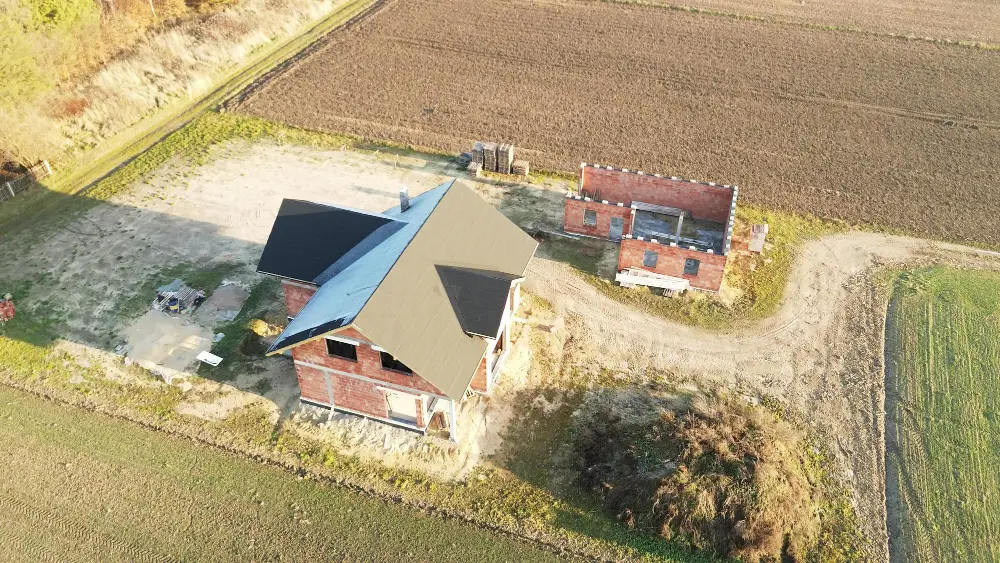
Most people picture a new home starting with a foundation. On raw land, the foundation is a long way down the list. Before a single footing gets poured, the land itself has to be made ready, and that work is bigger, longer, and more regulated than most first-time builders expect. A wooded, sloped piece of ground is not a building site yet. It becomes one through a sequence of work that happens before the home is ever designed.
To prepare raw land for building house NC owners have to think of the land as the first project and the home as the second. Skip or rush the first, and the second inherits every problem. Get the land right, and everything after it goes smoothly. Here is what that first project actually involves and the order it happens in.
Why Raw Land Is Its Own Project
A finished lot in a development hands you solved problems. Graded ground, a road, water and sewer at the curb, routine permits. Raw land hands you none of that. You are starting from trees, slope, and soil, and you have to build the conditions a home needs from scratch.
That is the part people underestimate. To prepare raw land for building house NC sites require clearing, grading, drainage, access, and often a well and septic, all before the home takes shape. Each of these is real work with real cost, and none of it shows in the finished house. It is invisible and unavoidable, which is exactly why it belongs at the front of the plan rather than as a surprise partway through.
Reading the Land First
The work starts by reading the land, not by drawing the house. The slope, the soil, the drainage, the buildable area, and the access all decide what is possible and where the home can sit.
This is why the discovery phase begins before any design work. A home designed before the land is read is a home that may not fit the ground it is meant to sit on. Reading the site first tells you where the level area is, how water moves across the property, where the septic can go, and how the home should be placed. To prepare raw land for building house NC projects need this evaluation up front, because everything downstream depends on it.
The Sequence That Gets Land Ready
Preparing raw land follows an order, and each step sets up the one after it.
Clearing
The first physical work is usually clearing. Trees and brush come out where the home, the access, and the site work need the space, while the mature trees worth keeping are protected. Clearing also means dealing with the stumps and roots left behind, which have to be removed before the ground can be graded. This is a real phase, not a quick pass with a machine.
Excavation & Grading
Once the ground is clear, it gets excavated and graded into a stable building pad. On a slope this means cutting into the high side, filling the low side, and compacting the fill so it holds. The grading also sets the slopes that move water away from where the home will sit. To prepare raw land for building house NC lots demand careful grading, because a pad built on poorly compacted fill will settle, and settlement under a foundation is an expensive problem to fix later.
Drainage & Erosion Control
The moment the soil is opened, water becomes the issue. Bare ground on a slope erodes with the first hard rain, so erosion control goes in as the clearing and grading happen, not after. Drainage is planned to carry water away from the home and the site. This step protects the property, and it is required by the rules that govern clearing and grading in this region.
Access & Infrastructure
The property needs a way in that can carry construction equipment and daily vehicles, which means an access road or driveway planned for the route, the grade, and the drainage. On land without municipal service, the well, the septic, and the power all get planned and installed as part of this phase too. To prepare raw land for building house NC properties often means creating all of the infrastructure a home needs from nothing.
Permitting Runs Through All of It
Clearing, grading, and building on raw land are regulated, and the permitting runs alongside the physical work rather than after it. Erosion and sediment control rules apply once the ground is opened. Requirements protect streams and water on or near the property. Clearing and grading permits govern the work itself. To prepare raw land for building house NC sites require handling all of this correctly, because clearing without the right permits and controls is the kind of mistake that stops a project and costs far more to fix than to do right the first time.
Preparing Land in Western North Carolina
In the mountains, every one of these steps carries more weight, because the conditions are harder than on flat ground.
Slope is the rule here, which makes clearing, grading, drainage, and access all more involved. Soil is often rocky or clay-heavy, which affects the excavation, the foundation, and the septic design. The freeze-thaw climate and mountain rain put real demands on the drainage and erosion control. And the buildable area on a mountain lot can be smaller than it looks once the slope, the setbacks, and the septic area are accounted for. To prepare raw land for building house NC owners in the mountains have to plan for all of this before the home is designed, which is why the land is read first and the home is placed second.
Frequently Asked Questions
How Long Does It Take to Prepare Raw Land for a Home?
It depends on the size of the lot, how wooded and steep it is, and how much infrastructure the property needs. A gentle, partly cleared lot moves faster than a heavily wooded slope that needs a long access road, a well, and an engineered septic system. The real answer comes from reading the specific site, which is part of what the early evaluation is for.
What Costs Do People Forget When Budgeting Raw Land?
The site work and the infrastructure are the costs people miss most. Clearing, grading, drainage, the access road, the well, and the septic are all real numbers, and none of them show in the finished home. A budget built around the house alone falls short the moment the land work begins, so these belong in the budget from the start.
Can You Design the Home Before Preparing the Land?
That order works against you. The slope, the soil, and the buildable area decide where the home can sit and what it can be, so the land has to be read before the home is designed. Designing first often means redesigning once the site conditions are known, which is slower and more expensive than starting with the land.
Starting Your Build on Solid Ground
To prepare raw land for building house NC properties the right way is to treat the land as the first project. Read the site, clear what has to go, grade a stable pad, control the water, build the access and infrastructure, and handle the permitting throughout. Done in the right order, the land becomes a site a home can sit on for its whole life. Done carelessly, the shortcuts follow the project for years.
We take a limited number of projects each year, so each site gets a real evaluation rather than a quick look, and a private consultation comes before we schedule anything. If you are planning to build on raw land in Western North Carolina, reach out for a private consultation, tell us about your property, and we will walk through what it will take to get your land ready.