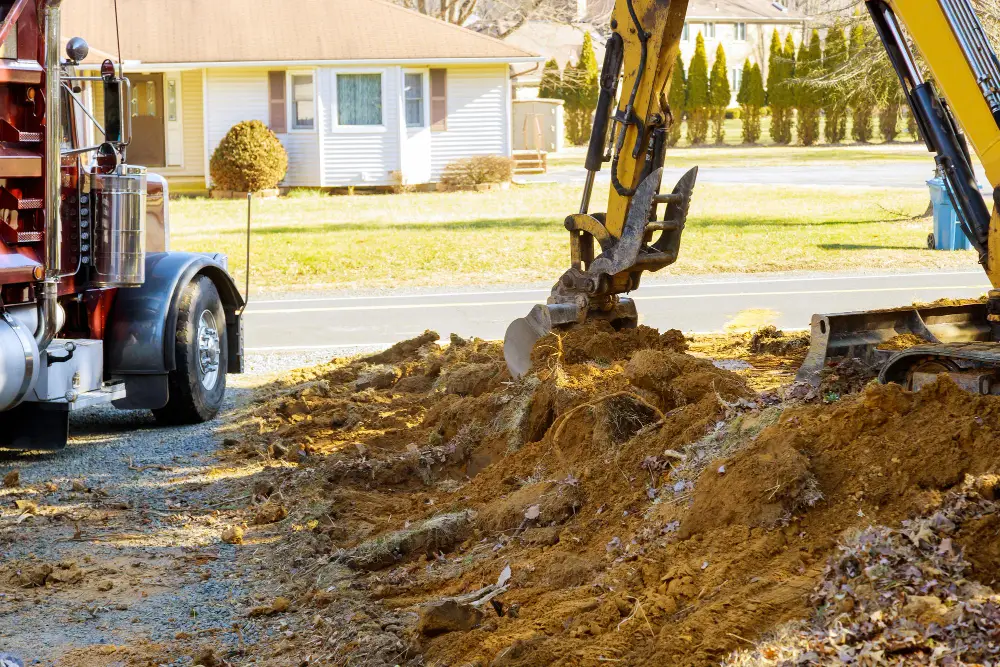
The picture most people have of building on raw land skips the first chapter. They imagine the foundation, the framing, the home taking shape. What they leave out is everything that has to happen before any of that can start. On a wooded mountain lot, the first real work is clearing the land, and it is more involved, and more regulated, than most people expect.
Land clearing for home construction NC builders handle is not just cutting down trees. It is removing what needs to go, keeping what should stay, dealing with what the trees leave behind, and doing all of it within the rules that govern clearing on a slope near water. Done right, it sets up everything that follows. Done carelessly, it causes erosion, drainage, and permitting problems that follow the project for years. Here is what this first phase actually involves.
Why Clearing Is More Than Cutting Trees
The mistake people make is thinking of clearing as a single, simple step. Knock down the trees, haul them off, start building. The reality has several parts, and skipping any of them creates problems later.
Clearing means deciding what comes out and what stays, because not every tree should go and some are worth keeping for the finished property. It means dealing with the stumps and roots left behind, which do not simply vanish when the tree is cut. It means handling erosion and drainage from the moment the ground is opened, because bare soil on a slope moves with the first hard rain. And it means doing all of this within the permits that govern clearing in this region. Land clearing for home construction NC sites require is a real phase of the project, not a quick step before the real work begins.
What the Clearing Phase Actually Involves
A few stages make up this work, and each one matters to what comes after.
Deciding What Stays & What Goes
Not every tree should come down. The mature trees that give a mountain property its character are worth keeping where they do not interfere with the build, and a thoughtful clearing plan protects them. The work starts by marking what stays and what goes, based on the home’s placement, the access, the drainage, and the finished property you want. Land clearing for home construction NC done well removes what has to go and protects what should remain.
Removing the Trees & Brush
Once the plan is set, the trees and brush marked for removal come out. This is the visible part of clearing, and on a wooded lot it is significant work, sized to the property and the equipment the site allows. On a steep or hard-to-access lot, this stage takes more planning, because the equipment has to reach the work safely.
Dealing With Stumps & Roots
Cutting a tree leaves the stump and the root system behind, and those have to be dealt with before building. Stump grinding or removal clears the ground for the foundation and the site work. This is the part people forget, and it is a real cost and a real step. A stump left in the wrong place is a problem for whatever is built over it.
Grading & the Building Pad
With the trees and stumps gone, the ground is graded to create the level pad the home will sit on and to set up drainage. On a slope this is the work that turns a wooded hillside into a buildable site. Land clearing for home construction NC sites need flows directly into this grading, which is why the two are planned together.
The Erosion & Drainage Problem
Here is the part that causes the most trouble when it is handled poorly. The moment you clear the trees and open the soil, you change how water moves across the property. The roots that held the soil are gone, and bare ground on a slope erodes with the first hard rain.
So erosion and drainage control is not a later step. It starts as the clearing happens. That means controls to hold the soil while the ground is exposed, grading that directs water where you want it, and a plan to protect the site through construction. Land clearing for home construction NC requires this from the start, both because it protects the property and because the rules in this region require it. A cleared slope with no erosion control is a problem waiting for the next storm.
The Rules That Govern Clearing
Clearing land in this region is regulated, and for good reason. Erosion from a cleared slope affects the property below it and the water nearby, so there are permits and requirements that govern how clearing is done.
Erosion and sediment control rules apply once the ground is opened. Requirements protect streams and water on or near the property. Permits govern the clearing and grading themselves. Land clearing for home construction NC sites require has to work within all of this, which is why the permitting is handled as part of the work rather than treated as an afterthought. Clearing without the right permits and controls is the kind of mistake that stops a project and costs far more to fix than to do right.
Why This Is the First Phase, Planned With the Build
The reason clearing has to be planned with the rest of the project is that everything after it depends on it. Where the home sits, how water moves, how the site drains, and what the finished property looks like all trace back to how the land was cleared.
This is why the discovery phase begins before any design work. Reading the site, planning what stays and what goes, and setting up the clearing and grading all happen before the home is designed, because the clearing shapes what is possible. Land clearing for home construction NC done right is the foundation under the foundation, the work that makes everything else go smoothly.
What People Usually Ask About
A few points come up whenever clearing is part of the plan.
Keeping Trees Worth Keeping
Clearing does not mean stripping the lot bare. The mature trees that give a property its character can be protected where they do not interfere with the build, and a good clearing plan does exactly that. Deciding what stays is part of the work, not an afterthought.
Why Erosion Control Comes First
Once the soil is opened, erosion starts with the next rain, so the controls go in as the clearing happens, not after. This protects the property and meets the rules that govern clearing on a slope near water. Skipping it is the most common and most costly clearing mistake.
How the Process Begins
It begins with reading the site and planning the clearing and grading with the home, so the first phase sets up everything that follows. We take a limited number of projects each year, so each site gets that attention, and a private consultation comes before we schedule anything. All clearing and grading permits are handled in-house.
Starting the Build the Right Way
Land clearing for home construction NC sites require is the first real work on a wooded lot, and it sets the conditions for the entire project. Remove what has to go, protect what should stay, deal with the stumps and the soil, control the erosion from the start, and work within the rules. Done right, it makes everything after it go smoothly. Done poorly, it causes problems that follow the project for years.
If you are planning to build on raw or wooded land in Western North Carolina, reach out for a private consultation. Tell us about your property, and we will walk through what the clearing phase will involve on the land you have.