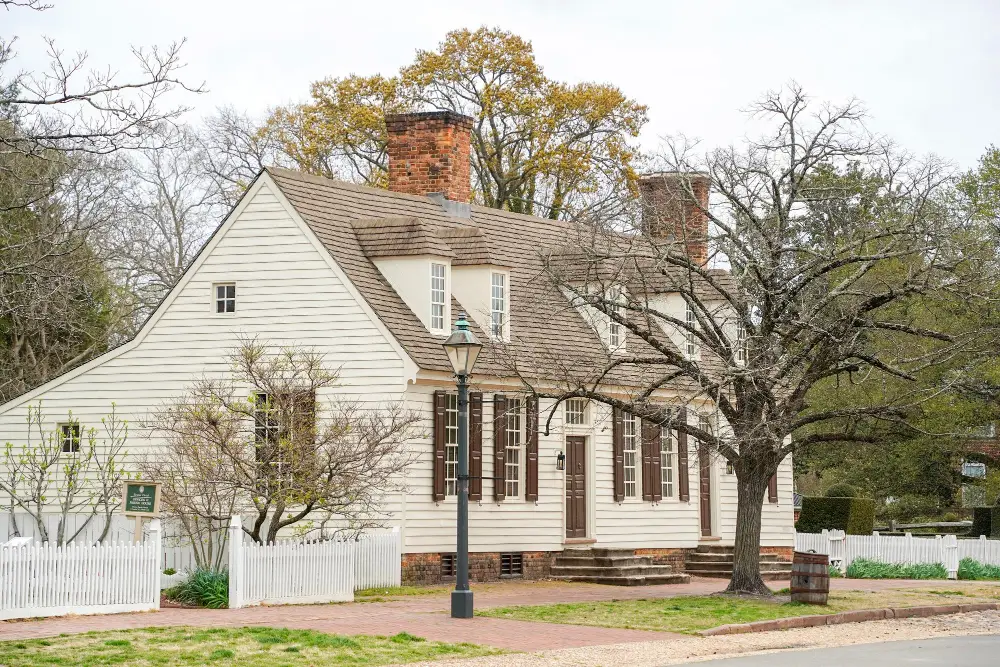
There is a version of renovating an old home that strips out everything that made it worth keeping. The original trim gets torn out. The wavy glass windows go to the dumpster. The plaster comes down, the proportions get flattened, and what is left could be a house from anywhere. It is modern now, and it is also generic. The history is gone.
There is a better version, and it is harder to do. You bring the home up to the way people live today, with the comfort, systems, and function a modern household needs, while keeping the things that give the house its character. The original details. The proportions. The sense that the home has a history and is still part of it. To modernize historic homes Weaverville owners care about is to hold both of those at once, and that balance is the whole job.
If you own an older home in Weaverville and want it to work for today without erasing what makes it special, here is how that work is done well.
The Trap Most Renovations Fall Into
The easy path is to treat an old home like a blank slate. Gut it, open it up, and rebuild the inside as if the original house were just a shell. It is faster, it is simpler, and it throws away the reason you bought an old home in the first place.
The character of a historic home lives in details that are hard to replace and impossible to fake well. The depth of original trim. The proportions of the rooms. The materials that were standard then and are rare now. Once those are gone, no amount of money brings them back, because the craft and the materials that made them are not sold off a shelf. The goal when you modernize historic homes Weaverville is to keep what cannot be replaced and update what can.
This is why these projects need more care than a standard renovation, not less. You are working with a home that has things worth protecting, and the work has to respect that at every step.
What to Keep & What to Update
The skill in this work is knowing the difference between what gives the house its character and what is simply old. They are not the same thing, and treating them the same is where renovations go wrong.
Keep the Character That Cannot Be Replaced
Original trim, millwork, and built-ins. Hardwood floors that can be refinished rather than replaced. Proportions and ceiling heights that give the rooms their feel. Architectural details that mark the period the home came from. Original windows where they can be restored and made efficient rather than discarded. These are the things people mean when they talk about the character of an old home, and they are the first priority to protect.
Update What Holds the Home Back
Wiring that cannot carry a modern load. Plumbing that is past its life. Heating and cooling that never worked well. Insulation that was minimal or absent. A kitchen built as a closed-off workroom rather than the center of the house. These are the parts that make an old home hard to live in, and they can be brought current without touching the character at all. To modernize historic homes Weaverville is mostly to fix these systems, quietly, behind the details you are keeping.
Decide Carefully on Layout
Layout is the hardest call. Old homes were built with small, separate rooms, which can feel tight for the way people live now. Some walls can come out to open the home up, but doing it without flattening the character takes judgment. The aim is to improve flow while keeping the proportions and rhythm that make the house feel like itself. That is a structural decision and a design decision at the same time.
One useful rule guides these calls. Keep the rooms that carry the character of the home and open the ones that do not. A formal front room with original details is worth preserving as it is. A chopped-up rear of the house, where a kitchen was closed off and a few small rooms were added over the years, is often the place to open up. To modernize historic homes Weaverville without losing them, you protect the parts that matter and rework the parts that were never special to begin with.
Doing the Invisible Work Right
The best work to modernize historic homes Weaverville is the work no one sees. Updating systems inside walls you are keeping intact means careful routing, so new wiring and plumbing serve the home without tearing apart the details around them.
This is slow, deliberate work. Running modern systems through an old structure without damaging plaster, trim, and original framing takes planning and patience. The reward is a home that is fully current underneath and still looks like itself on the surface. Heating and cooling that works. Power that carries a modern load. Plumbing that will not fail. All of it hidden behind the character you bought the house for.
Weaverville’s Own Considerations
Updating an older home in Weaverville comes with local realities worth planning around.
Many of these homes sit on slopes and have dealt with mountain weather for decades, which means moisture and drainage often need attention as part of the work. Original windows in a mountain climate can be restored and made efficient, which keeps the character while cutting the drafts and the heating bills.
The other reality is that older Weaverville homes frequently hide structural surprises from past modifications. To modernize historic homes Weaverville the right way, the structure gets evaluated first, so the plan accounts for the home as built rather than as it looks. This is why the discovery phase begins before any design work. You cannot plan a respectful renovation without knowing what is actually behind the walls.
What Owners Usually Ask About
A few points come up in almost every conversation about updating an older home.
Keeping Character & Gaining Comfort at the Same Time
You do not have to choose between the two. The character lives in the details and proportions. The comfort lives in the systems behind them. Done well, the home keeps everything that made it special and gains everything a modern household needs. The two goals only conflict when the work is rushed or careless.
Why This Costs More Than a Standard Renovation
Working around details worth keeping takes more time and more skill than tearing them out. Routing modern systems through an old structure without damaging it is patient work. The cost reflects the care, and the care is the reason the home still has its character when the project is done.
How the Process Starts
It starts with reading the home and talking through what matters to you, which details are worth protecting, and how you want to live in the house. We take a limited number of projects each year, so each one gets that attention, and a private consultation comes before we schedule anything.
Bringing an Old Home Forward
An old home in Weaverville is worth keeping for reasons new construction cannot match. The history, the craft, the character, the setting. The work is to carry all of that forward while making the home work for the way you live now. Done with care, no one should be able to tell where the old house ends and the updates begin. It simply reads as a home that has aged well and been looked after.
If you own a historic home in Weaverville and want to update it without losing what makes it special, reach out for a private consultation. Tell us about the house and what you want to keep, and we will walk through how to modernize historic homes Weaverville the right way.